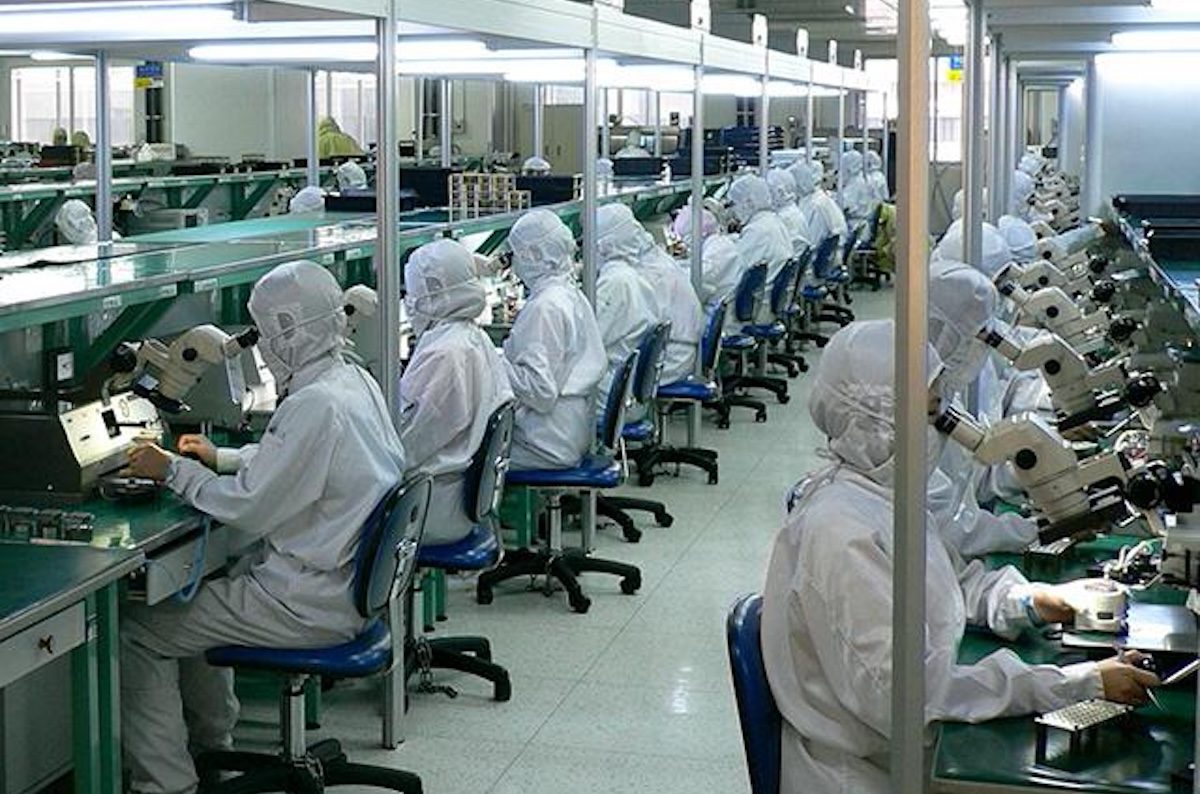
The United States finds itself in a precarious position due to its excessive reliance on China, a dependency that spans both agriculture and manufacturing sectors. American soybean farmers, for instance, have long depended on Chinese purchases, which account for nearly half of U.S. soybean exports. This reliance gives China significant leverage, as demonstrated earlier this year when it curtailed imports in response to trade tensions. However, the issue extends far beyond agriculture. U.S. manufacturers are equally vulnerable, as China dominates the global supply of critical materials and components essential for producing high-tech goods. Rare-earth minerals, which are indispensable for manufacturing cellphones, computer hard drives, and advanced defense systems, are a prime example. China controls 97% of global rare-earth production, and recent export restrictions highlighted the risks of this monopoly. While a temporary truce in the U.S.-China trade war has suspended these restrictions, the broader problem remains unresolved. China’s dominance extends to other critical materials like graphite, gallium, germanium, and tungsten, which are vital for industries ranging from electronics to pharmaceuticals. Even the active ingredients in many common medications, such as ibuprofen and antibiotics, are sourced from China. This overdependence is not accidental but the result of China’s deliberate industrial policies, which include subsidies, tax breaks, and protectionist measures to dominate global supply chains. The U.S. has attempted to counter this through initiatives like the Chips Act and tariffs, but China’s economies of scale pose a formidable challenge. Experts argue that international cooperation among like-minded nations is essential to mitigate this dependency. However, current U.S. trade policies, which impose tariffs on allies, complicate such efforts. While soybean farmers can seek alternative markets, manufacturers face a far more complex dilemma. The path forward requires strategic diversification and coordinated industrial policies to reduce reliance on China and safeguard America’s economic security.