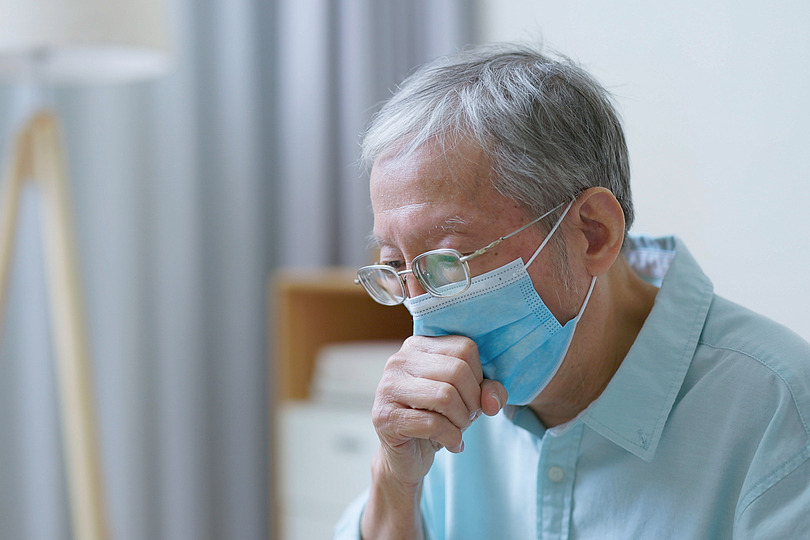
China is currently grappling with a significant uptick in respiratory and intestinal infectious diseases, according to the National Disease Control and Prevention Administration. During a recent press briefing, spokesperson Xi Jingjing highlighted the rising prevalence of influenza, respiratory syncytial virus, rhinovirus, and other acute respiratory infections. Additionally, norovirus infections, hand, foot, and mouth disease, and other intestinal illnesses are circulating at elevated levels, particularly in schools and childcare facilities. Wang Dayan, director of the Chinese National Influenza Center, noted that flu activity is increasing nationwide, with the H3N2 subtype of influenza A dominating over 95% of cases. The remaining cases are attributed to the H1N1 influenza A strain and influenza B. With 23 provincial-level regions reaching a medium level of influenza activity, the administration anticipates a continued rise in cases as the peak flu season approaches from late December to early January. Authorities are urging the public, especially vulnerable groups such as the elderly, children, and individuals with underlying health conditions, to get vaccinated promptly and enhance personal protection in crowded spaces. Meanwhile, the risk of imported vector-borne diseases like chikungunya fever and dengue fever persists, particularly in southern provinces.
China sees rise in influenza, rhinovirus, and other respiratory infectious diseases