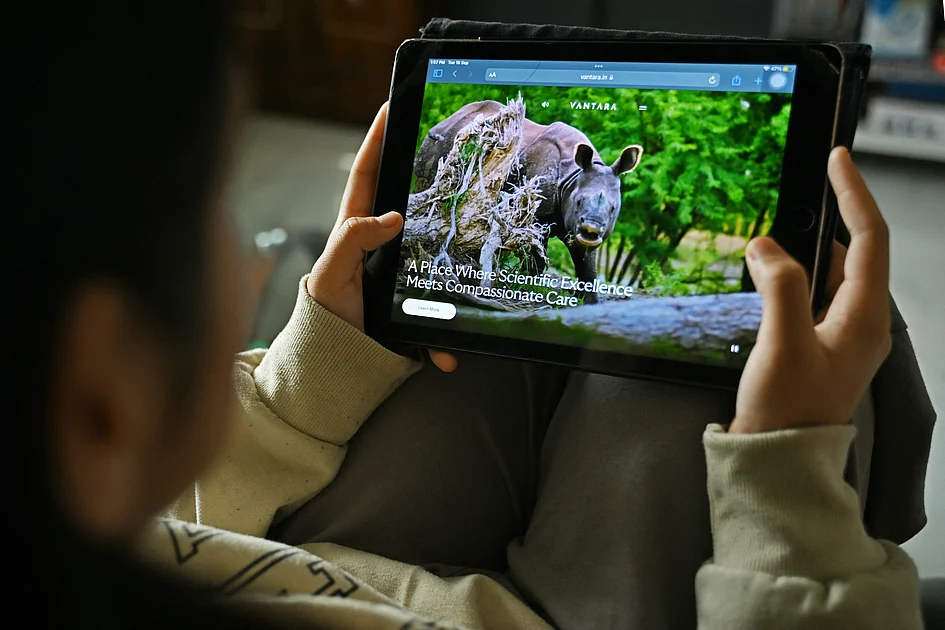
The Green Zoological Rescue and Rehabilitation Centre, a sprawling facility in Gujarat, India, has once again come under intense scrutiny. Operated by the son of Asia’s wealthiest individual, the zoo has been accused of importing endangered species in potential violation of international conservation laws. The facility, which claims to house 150,000 animals, was recently cleared of wrongdoing by India’s Supreme Court. However, a report from the Convention on International Trade in Endangered Species of Wild Fauna and Flora (CITES) has raised alarms about its practices. The report, published ahead of CITES discussions this month, highlights inconsistencies in the zoo’s import records, particularly concerning Appendix I species—the most critically endangered animals globally. Experts warn that Vantara, as the zoo is informally known, may be inadvertently driving illegal wildlife trade. The report calls for significant reforms to ensure compliance with international regulations. Among the allegations is the acquisition of a Tapanuli orangutan, the world’s most endangered great ape, from the United Arab Emirates. Despite CITES’ prohibition on trading such species, Vantara classified the orangutan as ‘captive-bred,’ a claim disputed by Indonesian experts who assert no such breeding programs exist. Similar concerns have been raised regarding cheetahs from Syria, a gorilla from Haiti, and bonobos from Iraq. Panut Hadisiswoyo, founder of the Orangutan Information Centre, has been advocating for the return of several orangutans to Indonesia, including one intercepted in India and handed to Vantara. The CITES report underscores the need for India to overhaul its import procedures and enhance oversight. Independent wildlife trade expert Daniel Stiles described the report as a ‘true examination’ of Vantara’s operations. The findings have sparked concerns about India’s conservation credibility, with experts urging immediate action to address the irregularities.