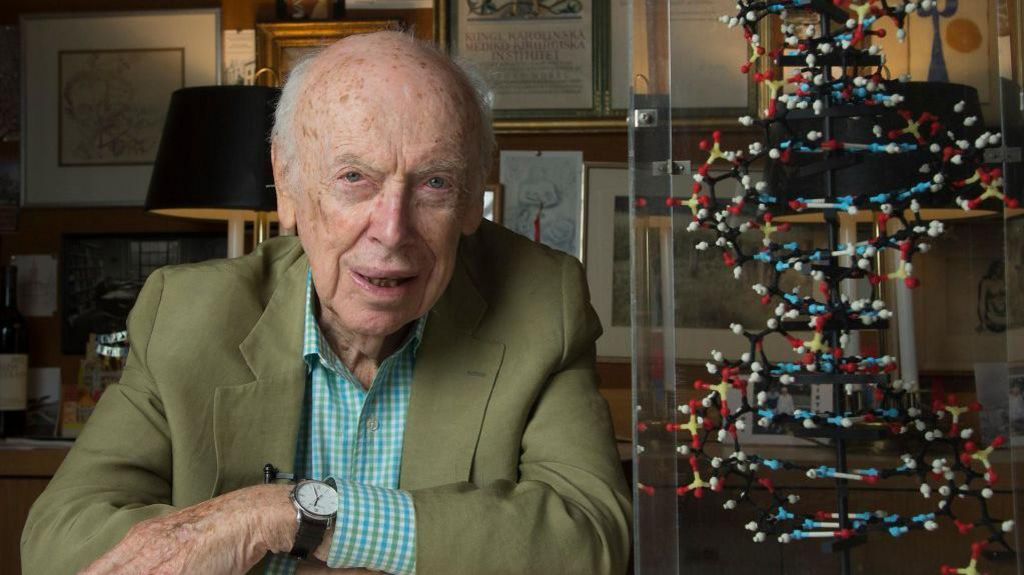
In February 1953, James Watson and Francis Crick made a groundbreaking announcement in a Cambridge pub: they had discovered the structure of DNA, a revelation they boldly termed ‘the secret of life.’ This discovery, which revealed the double-helix shape of deoxyribonucleic acid (DNA), revolutionized biology and earned them the 1962 Nobel Prize in Medicine. Their work not only unlocked the mechanisms of heredity but also ignited decades of genetic research and ethical debates, from human cloning to genetically modified organisms. However, Watson’s legacy is a complex tapestry of scientific brilliance and contentious public statements. Over the years, he sparked outrage with controversial remarks on race, intelligence, and eugenics, leading to widespread criticism and the loss of honorary titles. Despite these controversies, Watson’s contributions to science remain unparalleled, cementing his place as a pivotal figure in modern genetics. His life story, from a curious boy in Chicago to a Nobel laureate, is a testament to the power of scientific inquiry and the challenges of navigating its societal implications.