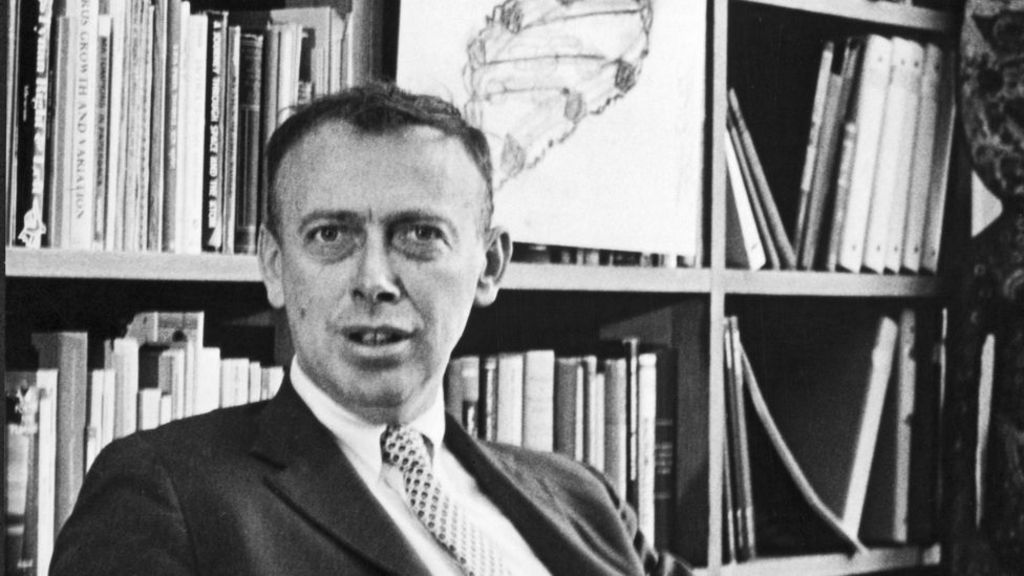
The discovery of the double helix structure of DNA stands as one of the most pivotal achievements in scientific history. This groundbreaking revelation was the result of a fierce yet collegial competition between two teams of researchers in the early 1950s. At the University of Cambridge, American biologist James Watson and English physicist Francis Crick collaborated to construct scale models of DNA, aiming to decipher its structure. Simultaneously, at King’s College London, Maurice Wilkins and Rosalind Franklin were employing X-ray crystallography to unlock the molecule’s secrets. Franklin’s work, particularly her iconic ‘Photo 51,’ provided crucial insights into DNA’s helical shape. However, her contributions were overshadowed when Wilkins shared her findings with Watson and Crick without her consent. This act has sparked enduring debates about scientific ethics and recognition. In 1953, Watson and Crick published their seminal paper in ‘Nature,’ proposing the double helix model, which revolutionized biology. Despite their monumental achievement, the role of Rosalind Franklin remains a contentious topic. Watson, Crick, and Wilkins were awarded the Nobel Prize in Medicine in 1962, but Franklin, who had tragically passed away in 1958, was not honored. Her untimely death at 37 robbed her of the recognition she deserved. Today, the double helix model remains a cornerstone of modern science, underscoring the collaborative yet competitive nature of scientific discovery.