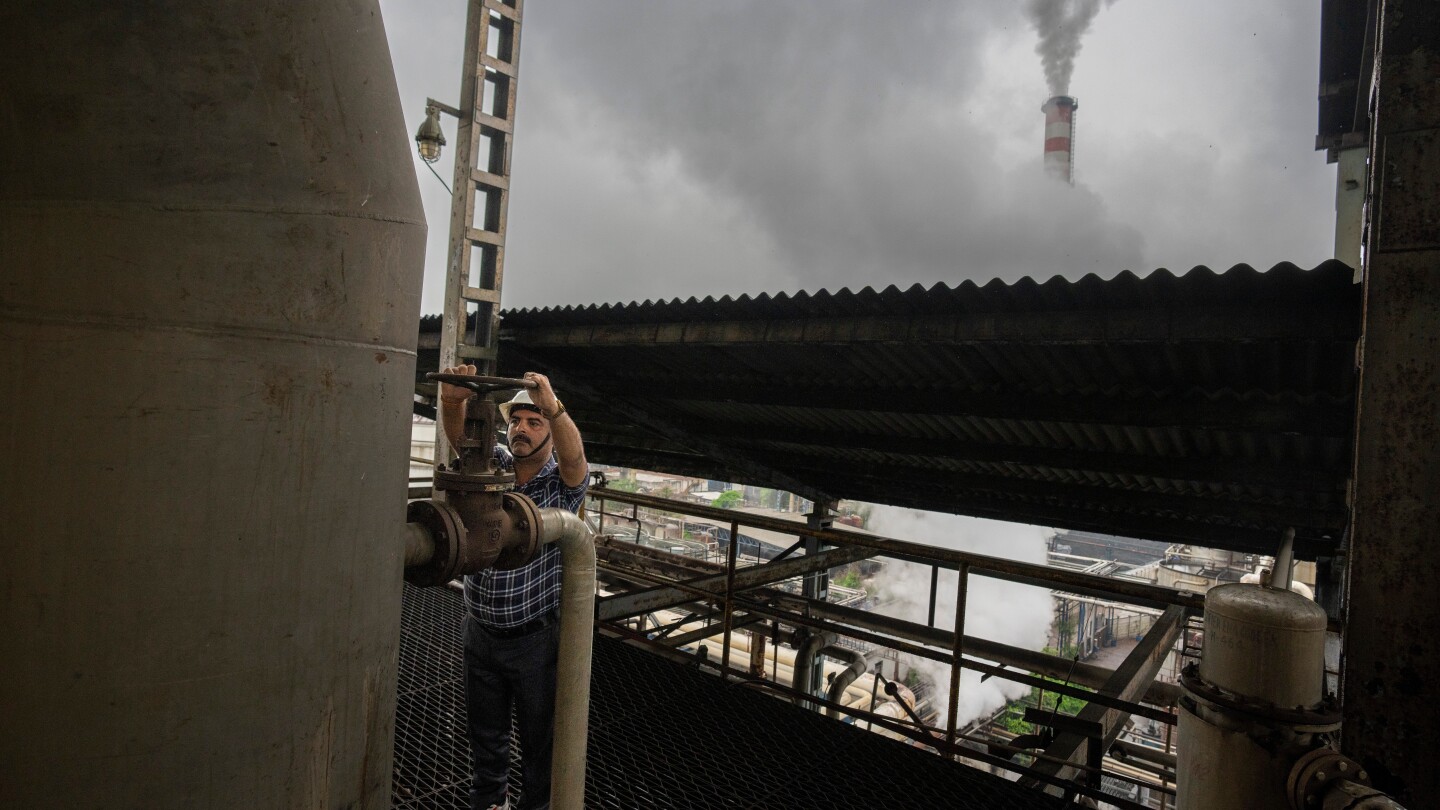
India’s ambitious ethanol blending program, aimed at reducing carbon emissions and cutting oil imports, has achieved significant milestones but also faces practical challenges. The government recently announced the successful implementation of a 20% ethanol blend with gasoline, five years ahead of schedule. This initiative, part of the global Belem 4x effort, aligns India with countries like Brazil, Japan, and Italy in promoting biofuels and low-emission hydrogen-based fuels. However, the rapid shift to ethanol has raised concerns among consumers, farmers, and environmental experts. While the government claims ethanol blending has reduced carbon emissions by 74 billion kilograms and saved $12 billion in oil imports over the past decade, car owners report decreased mileage and engine issues, particularly in older vehicles. Farmers, meanwhile, seek clarity on crop procurement for ethanol production, as shifts in government policies have led to price volatility for crops like corn and sugarcane. Environmentalists caution that increased grain cultivation for ethanol could displace food crops and generate more greenhouse gases than it saves. Experts suggest a balanced approach, advocating for a 10% ethanol blend to minimize environmental impact while addressing consumer and agricultural concerns. The debate underscores the complexities of transitioning to sustainable fuels and the need for policies that balance environmental goals with economic and social realities.