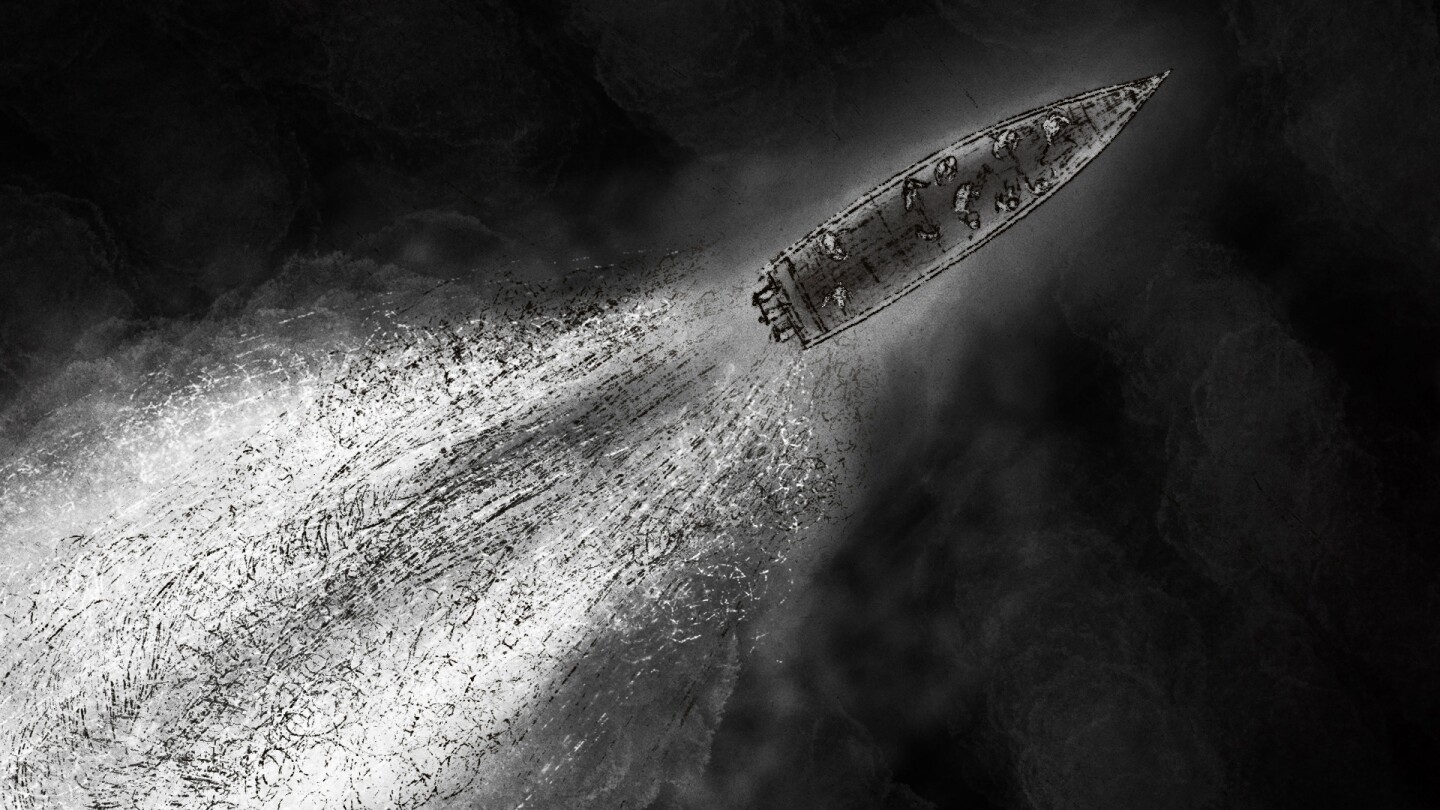
In the aftermath of recent U.S. military strikes targeting alleged drug-smuggling boats off Venezuela’s northeastern coast, Regina Garcia Cano, a reporter for The Associated Press, embarked on a mission to uncover the identities and stories of the men killed. Her investigation, conducted through dozens of interviews in local villages, revealed a stark contrast between the U.S. government’s portrayal of the victims as narco-terrorists and the reality of their lives. Most of the nine men identified were first-time or occasional crew members, earning modest sums for their work. Among the dead were a fisherman, a struggling bus driver, a former military cadet, and a local crime boss, alongside laborers and a motorcycle driver. Garcia Cano’s reporting highlighted the pervasive fear among residents, many of whom were reluctant to speak due to potential repercussions from the Venezuelan government. The region’s stifling poverty, crumbling infrastructure, and the government’s refusal to confirm the deaths have left families unable to properly mourn their loved ones. This story sheds light on the human toll of geopolitical conflicts and the challenges of reporting in repressive environments.
What a reporter found when she investigated US military strikes on Venezuelan drug boats