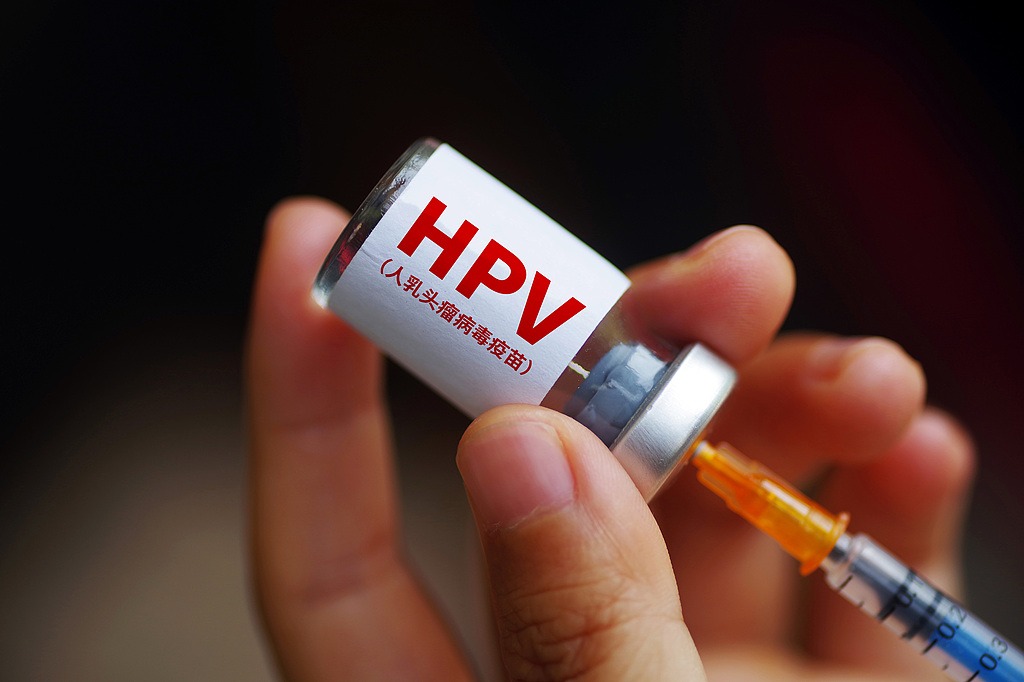
In a concerted effort to combat cervical cancer, health experts are emphasizing the need to increase public awareness and dispel misconceptions surrounding the Human Papillomavirus (HPV) vaccine. HPV, the primary cause of cervical cancer, claimed nearly 350,000 lives globally in 2022, with China accounting for 16% of these fatalities. Starting Monday, China will integrate the HPV vaccine into its national immunization program, offering free bivalent vaccines to 13-year-old girls, administered in two doses six months apart. This initiative, announced by seven government agencies on October 30, aims to bolster public health and reduce cervical cancer rates. As of June, 18 provincial-level regions in China have already provided free HPV vaccinations to eligible girls, benefiting approximately 5 million annually, according to a State Council white paper released on September 19. In Beijing, for instance, seventh-grade girls are eligible for free domestically developed bivalent vaccines targeting HPV strains 16 and 18, which are responsible for 70-80% of cervical cancer cases. Despite these efforts, some parents remain hesitant. Li Yun, a Beijing mother, opted for an imported nine-valent vaccine for her daughter, citing reliability concerns. However, she noted that some parents declined the vaccine, citing fears of adverse effects or the belief that their children were too young to need it. Health experts like Tan Xianjie from Peking Union Medical College Hospital stress the importance of early vaccination, particularly before sexual activity begins, to maximize protection. The World Health Organization has set a global target to ensure 90% of girls receive full HPV vaccination by age 15 by 2030, as part of its strategy to eliminate cervical cancer. In China, the free vaccination policy has already made significant strides, covering many eligible girls and promoting health equity across the nation. Experts like Qiao Youlin from Peking Union Medical College and Zhao Fanghui from the National Cancer Center highlight the long-term benefits of vaccination and the need for continued public education to overcome hesitancy and ensure widespread uptake.