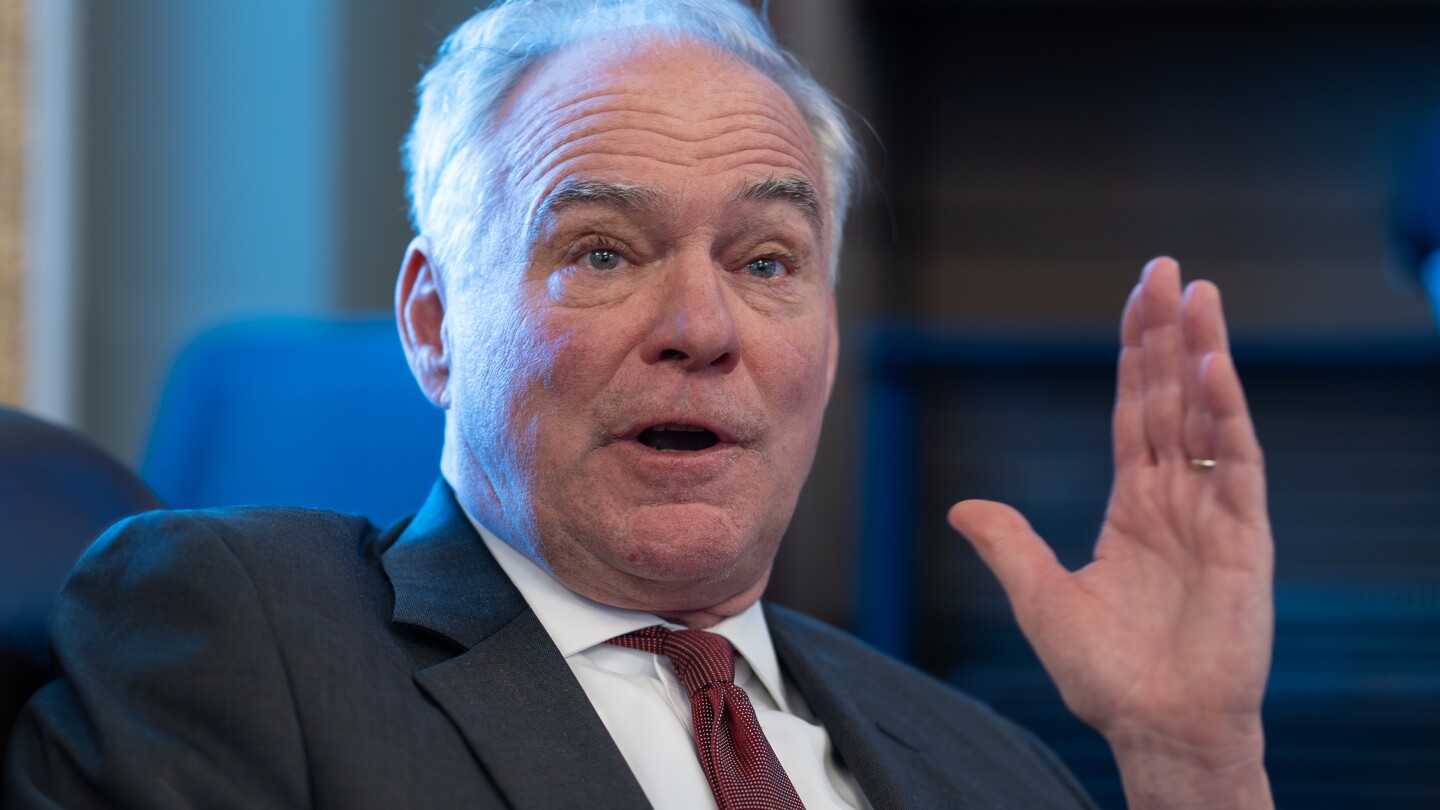
The U.S. Senate convened on Thursday to deliberate on a pivotal piece of legislation aimed at restricting President Donald Trump’s capacity to initiate military action against Venezuela. This move comes amidst escalating tensions between the Trump administration and Venezuelan President Nicolás Maduro, with Democrats urging Congress to assert a more robust oversight role in the high-stakes geopolitical standoff. The proposed resolution, spearheaded by Senator Tim Kaine, a Virginia Democrat, seeks to mandate congressional approval before any military engagement on Venezuelan soil, reflecting growing bipartisan concerns over the administration’s aggressive posture in the region. Despite its slim chances of enactment—given Trump’s likely veto—the vote serves as a litmus test for Republican senators’ willingness to challenge the president’s military buildup in the Caribbean. Lawmakers, including key Republicans, have expressed unease over the administration’s lack of transparency regarding recent U.S. naval strikes targeting alleged drug-smuggling vessels. Critics argue that the deployment of advanced military assets, such as the USS Nimitz aircraft carrier, signals broader intentions beyond counter-narcotics operations, potentially hinting at regime change objectives. Senator Adam Schiff, a California Democrat, underscored the gravity of the situation, warning that unchecked military escalation could entangle the U.S. in an unwarranted conflict. The debate also highlighted broader frustrations within Congress over the Pentagon’s recent policy shifts, including reductions in U.S. troop deployments in Romania and the suspension of security aid to Ukraine. As the Trump administration intensifies its briefings to lawmakers, the Senate’s vote underscores the enduring tension between executive authority and congressional oversight in matters of war and peace.
Senate to vote on legislation to limit Trump administration from attacking Venezuela