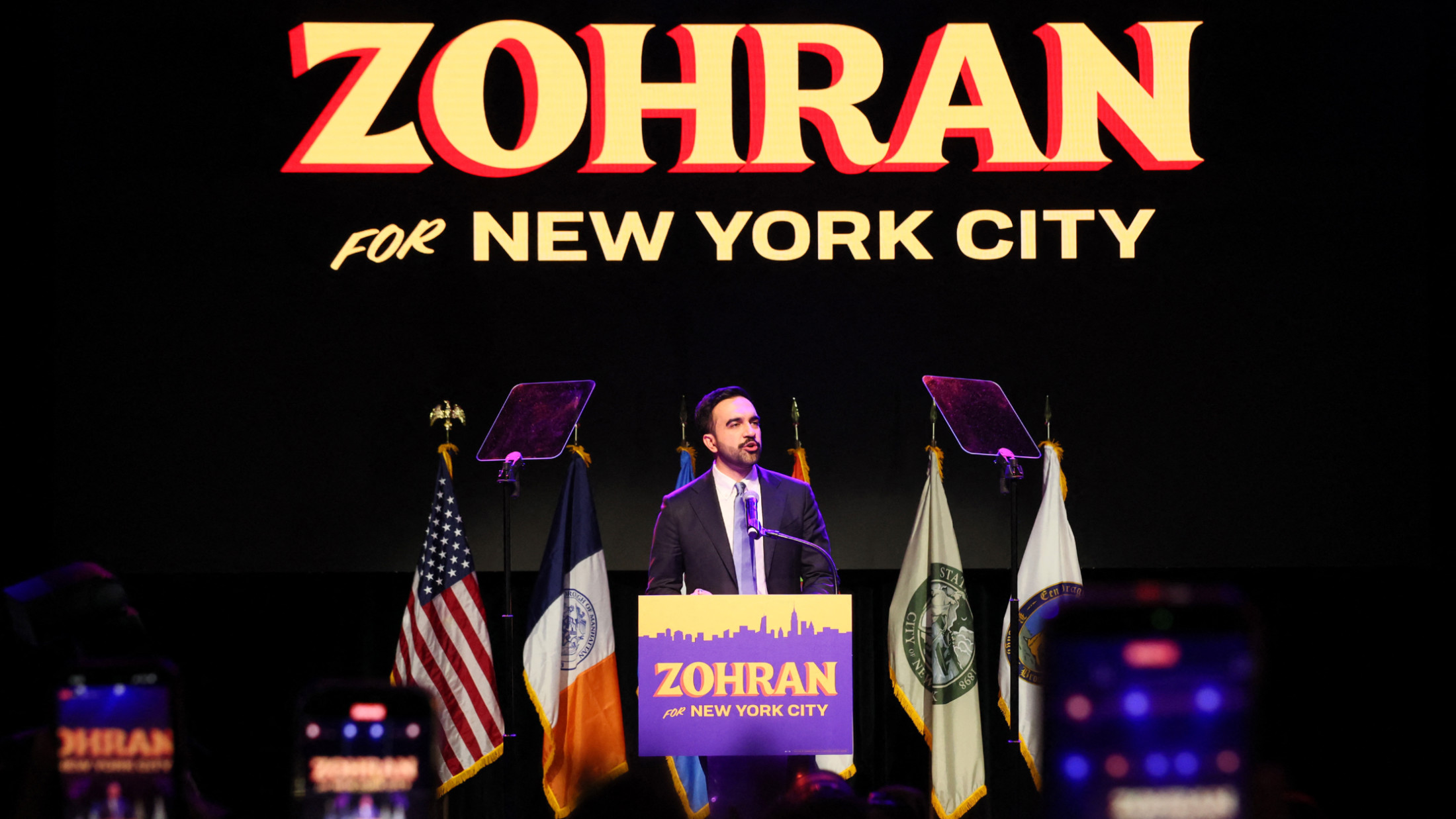
The election of Zahran Mamdani as mayor of New York has sparked varied reactions in Iran, with Tehran celebrating the rise of a Muslim Shia politician in the US as a symbolic victory. However, the event has also been used by critics to highlight systemic issues within Iran’s political structure. Hossein Derakhshan, a former political prisoner, drew parallels between Mamdani’s election and the hypothetical scenario of a young Sunni Afghan woman becoming mayor of Tehran, emphasizing the deep-seated racism and sexism in Iran. Conservative figures, including Ali Bahadori Jahromi, spokesperson for the late former president Ebrahim Raisi, criticized the entrenched power dynamics in Iran, questioning the opportunities for younger generations to lead. Meanwhile, the rising number of executions in Iran continues to draw international condemnation. On November 4, at least 12 people were executed across several cities, with charges ranging from murder to drug trafficking. This year has seen a sharp increase in executions, with over 1,100 carried out so far, often used as a tool to suppress political dissent. The Independent International Fact-Finding Mission on Iran has warned that such executions could constitute crimes against humanity. Additionally, the arrests of several academics, including economist Parviz Sedaghat and sociologist Mahsa Asadollahnejad, have raised concerns about the government’s crackdown on independent voices. The Iranian Sociological Association has called for the release of these researchers, highlighting the troubling implications for the academic community. Amid these developments, Iran’s position as a major player in cryptocurrency mining has also come under scrutiny, with unauthorized mining exacerbating the country’s electricity shortages.