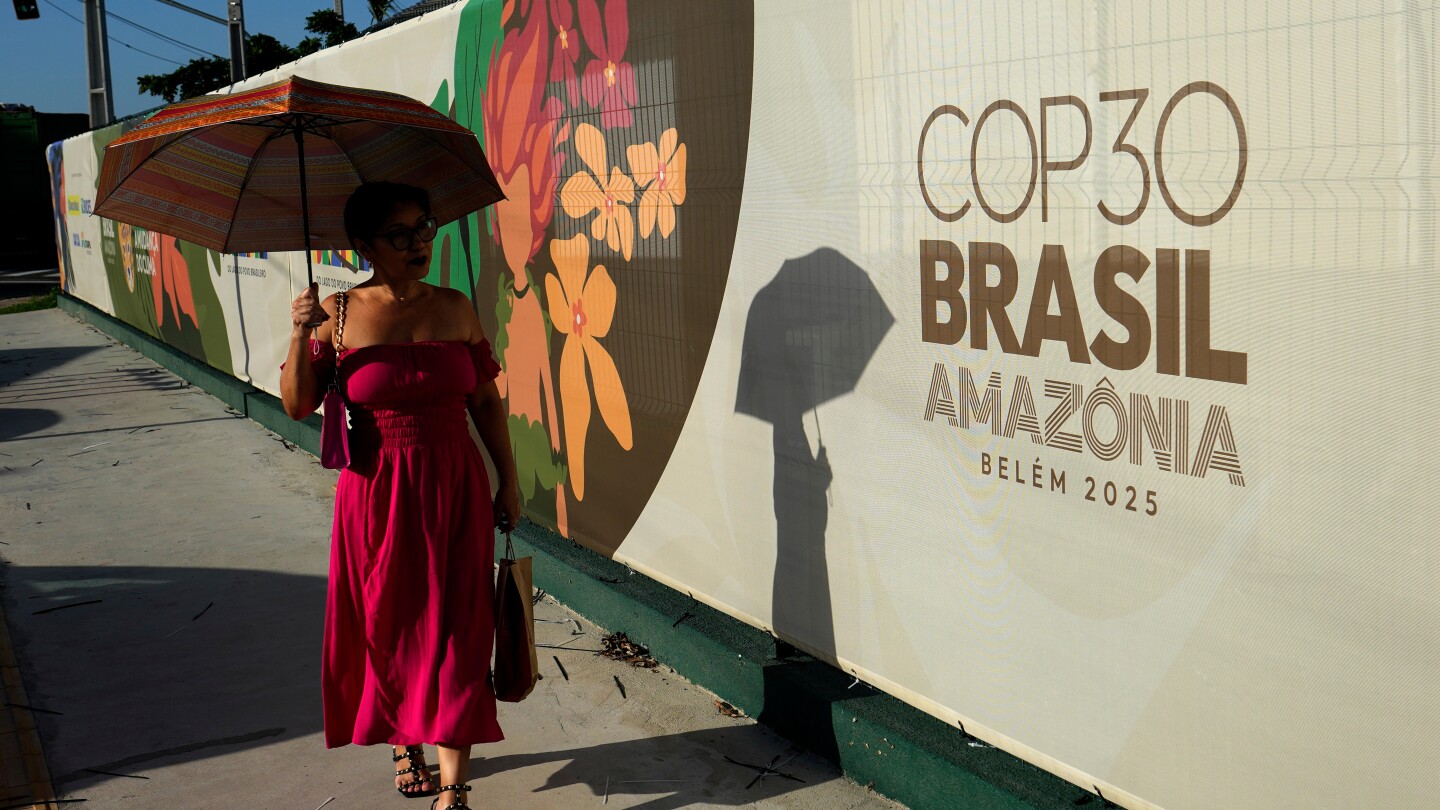
As world leaders gather in Belem, Brazil, for the United Nations’ annual climate summit, COP30, the urgency of the global climate crisis is starkly visible. The Amazon rainforest, often referred to as the ‘lungs of the world,’ surrounds the city with its lush greenery and winding rivers. Yet, the view also reveals vast barren plains, a testament to the 17% of the Amazon’s forest cover lost over the past 50 years due to deforestation for agriculture, logging, and mining. This biodiverse ecosystem, crucial for absorbing carbon dioxide, has been increasingly threatened by wildfires and cattle ranching. Brazilian President Luiz Inácio Lula da Silva aims to use this summit to rally global support for halting the destruction of tropical rainforests and advancing critical climate goals. However, the absence of key leaders from the world’s largest polluters—China, the United States, and India—casts a shadow over the event. U.S. President Donald Trump’s withdrawal from the Paris Agreement and his administration’s absence from the summit have raised concerns about a potential global retreat from climate commitments. Meanwhile, Brazil faces its own contradictions as a major oil producer, with Lula’s decision to allow oil exploration near the Amazon River drawing criticism. Despite logistical challenges in hosting the summit in Belem, including a shortage of accommodations and surging prices, the event has become a platform for activists to voice their demands for climate justice and Amazon preservation. The freedom to protest in Brazil contrasts sharply with previous summits held in autocratic nations, offering a unique opportunity for dialogue and action.
UN climate summit kicks off in Brazil’s Amazon with hopes for action despite US absence