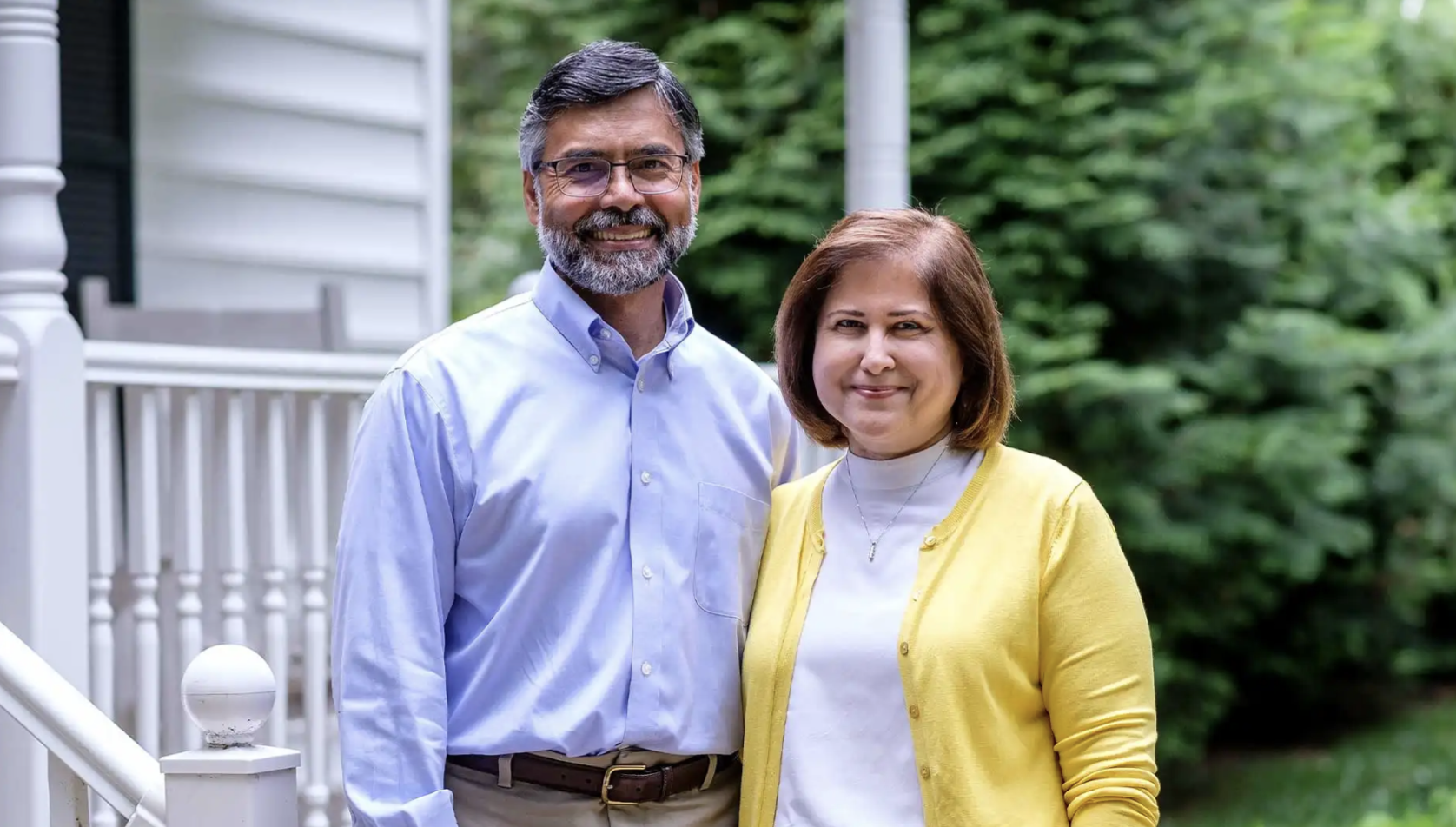
In a landmark election cycle, Muslim Americans achieved significant victories in state and local elections across the United States, marking a pivotal moment in the nation’s political landscape. Among the most notable wins was Ghazala Hashmi, who became the first Muslim woman to be elected as lieutenant governor of Virginia. Hashmi, a state senator since 2019, will be sworn in on January 17, serving alongside Governor-elect Abigail Spanberger, who also secured a decisive victory in a race widely seen as a rebuke of former President Donald Trump’s policies. Both Hashmi and Spanberger are Democrats, with Hashmi’s campaign focusing on affordability, housing, and education, rather than positioning herself as an anti-Trump candidate. Her success underscores a broader trend of Muslim Americans gaining political influence by addressing local issues rather than engaging in partisan rhetoric. Meanwhile, in Michigan, three Muslim Americans won mayoral races in predominantly Arab American suburbs of Detroit. Mo Baydoun was elected mayor of Dearborn Heights, succeeding Bill Bazzi, who was appointed U.S. ambassador to Tunisia. In Dearborn, Abdullah Hammoud was re-elected with a commanding majority, despite his refusal to endorse President Joe Biden due to the administration’s stance on Israel’s actions in Gaza and Lebanon. In Hamtramck, Adam Alharbi is set to become mayor, continuing a trend of Yemeni American leadership in the area. These victories come amid a backdrop of anti-Muslim sentiment, which has historically been weaponized in elections. However, candidates like Hashmi and Baydoun have demonstrated that focusing on community needs can overcome such challenges. In Minnesota, Omar Fateh, a Somali-American state senator, narrowly lost the Minneapolis mayoral race to incumbent Jacob Frey. Despite the loss, Fateh’s campaign highlighted the resilience of Muslim candidates in the face of racist attacks and misinformation. The successes of these candidates reflect a growing acceptance of Muslim Americans in public office and a shift toward issue-based campaigns that resonate with diverse electorates. As Muslim Americans continue to break barriers, their victories signal a transformative moment in U.S. politics, where representation and community-focused leadership take center stage.