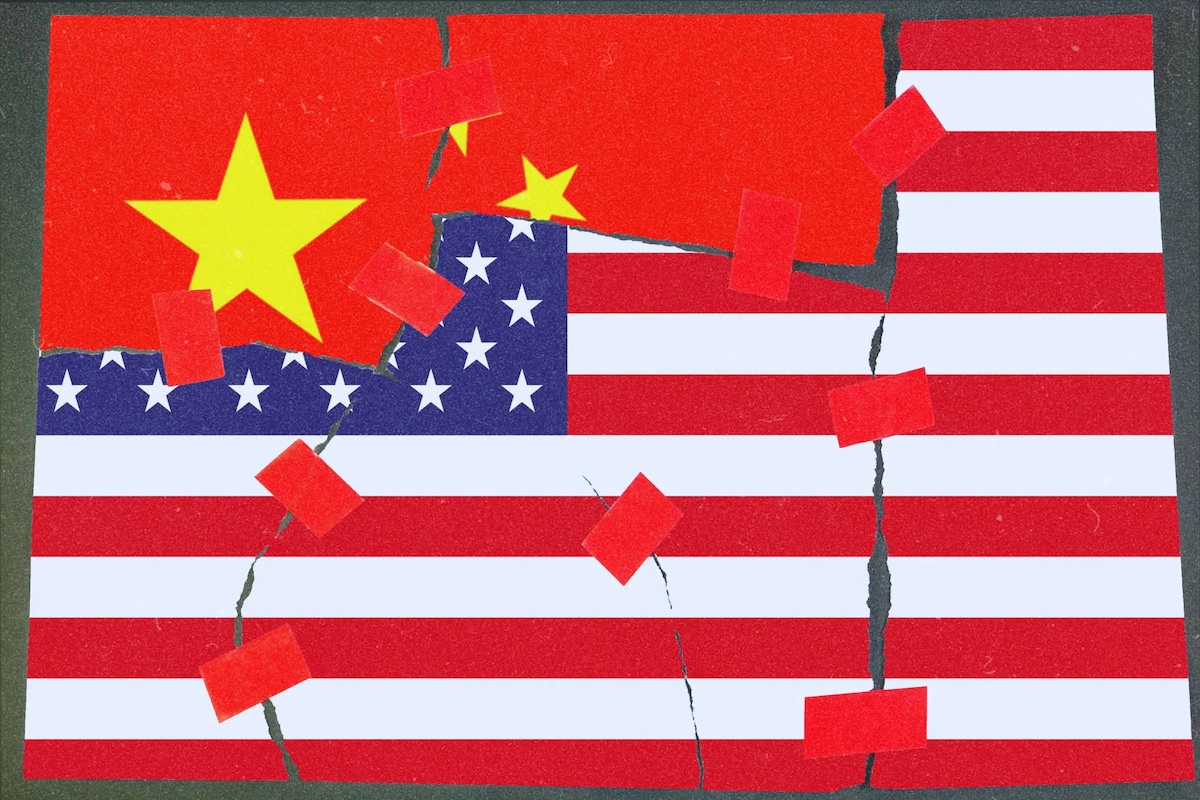
As Zohran Mamdani prepares to assume the role of mayor of New York City, a pivotal moment in American politics unfolds. His election coincides with the passing of Dick Cheney, a symbol of traditional centrist conservatism, marking a potential shift in the nation’s political landscape. Mamdani’s rise, juxtaposed with the polarizing influence of former President Donald Trump, raises questions about the future of American politics. Will Mamdani bridge the divide, or will his leadership deepen the ideological chasm? This comes at a time when the United States faces unprecedented challenges from China, with tensions escalating into what some describe as a new Cold War. Unlike the ideological battles of the 20th century, this conflict is characterized by economic interdependence and geopolitical maneuvering. The US-China rivalry, fueled by trade disputes, technological competition, and ideological differences, has global implications. As both nations navigate this complex relationship, the world watches to see whether this confrontation will lead to cooperation or further division. Mamdani’s leadership may play a crucial role in shaping America’s response to these challenges, as the nation grapples with internal divisions and external pressures.