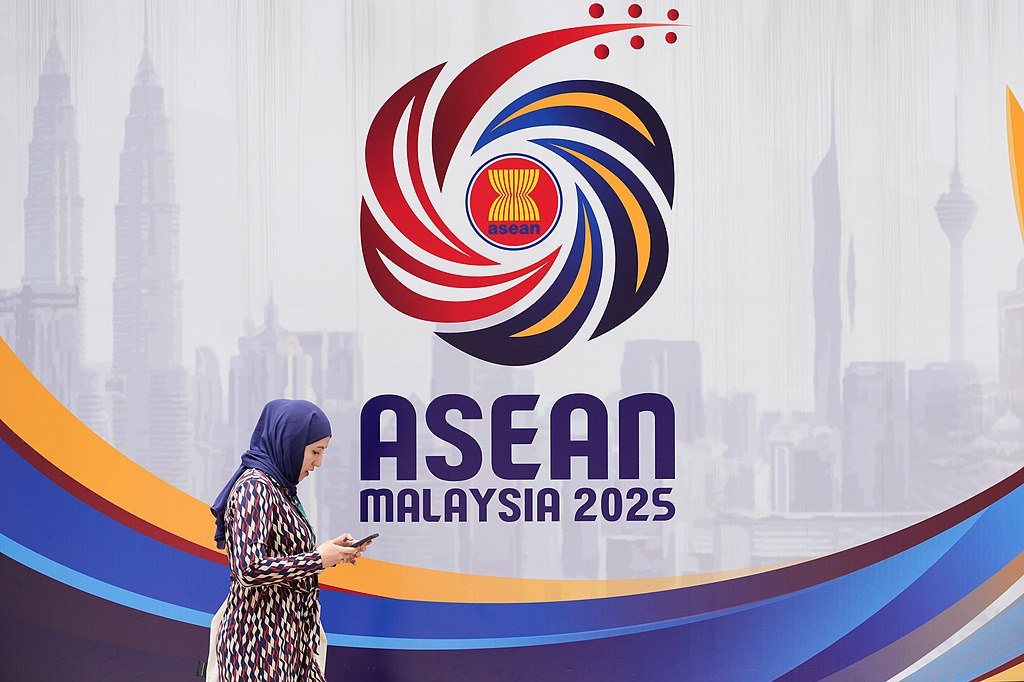
In a world increasingly dominated by protectionist policies, the Association of Southeast Asian Nations Plus Three (ASEAN+3) and the Asia-Pacific Economic Cooperation (APEC) forum have emerged as pivotal players in promoting an open and inclusive trading order. Analysts highlight that these regional partnerships have gained significance as Asian economies face threats from rising U.S. protectionism. Enrico Gloria, an assistant professor of international relations at the University of the Philippines, emphasized that these groupings act as economic shock absorbers and normative anchors for a stable trading environment. ASEAN+3, comprising 10 ASEAN members plus China, Japan, and South Korea, and APEC, with its 21 member economies across the Asia-Pacific and the Americas, balance national interests with regional solidarity. The ‘ASEAN Way’ allows countries to progress at different speeds while maintaining unity, and APEC’s voluntary approach reinforces inclusiveness. Both frameworks focus on pragmatic, consensus-driven economic collaboration, with many member economies being signatories to major free trade agreements like the Regional Comprehensive Economic Partnership (RCEP) and the Comprehensive and Progressive Agreement for Trans-Pacific Partnership (CPTPP). Bart Edes, a distinguished fellow at the Asia Pacific Foundation of Canada, noted that these partnerships are well-positioned to advance a counternarrative of inclusive globalization rooted in Asia’s pragmatic economic model. This ‘new Asian regionalism’ emphasizes integration, multipolarity, and regional resilience, contrasting with the U.S. government’s reliance on tariffs and aggressive transactional approaches. Julia Roknifard, a senior lecturer at Taylor’s University in Malaysia, added that ASEAN+3 and APEC members are ‘seeking development, not dominance,’ and are capable of jointly promoting inclusive globalization. Despite economic slowdowns, with APEC’s economy expected to grow at 3.1 percent and ASEAN+3’s GDP easing to 4.1 percent this year, these regional partnerships continue to stand by multilateralism and defend trade openness through collaborative dialogues.