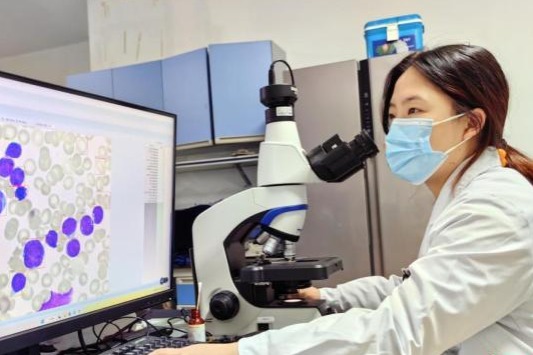
In a significant move to modernize its healthcare system, China’s National Health Commission, alongside four other governmental bodies, has issued a directive advocating for the extensive application of artificial intelligence (AI) in the health sector. The announcement, made public on Tuesday, outlines ambitious goals to be achieved by 2030. According to the document, primary-level medical institutions, including community and village clinics, will universally adopt intelligent diagnosis and treatment assistance. Furthermore, hospitals at or above the second grade in China’s three-tier hospital system will widely implement AI technologies such as intelligent medical imaging and clinical decision-making support. The directive also emphasizes enhancing patient services through AI, enabling hospitals to offer integrated intelligent services throughout the treatment process, including precise appointment scheduling, triage, and pre-diagnosis and follow-up services. Additionally, China plans to upgrade its intelligent epidemiological investigation systems to provide real-time, precise support for infectious disease prevention and control decision-making. This initiative underscores China’s commitment to leveraging cutting-edge technology to improve healthcare delivery and public health outcomes.