As the United Nations climate talks in Brazil approach, the European Union is intensifying efforts to establish cohesive climate objectives. On Tuesday, ministers from the 27-nation bloc convened in Brussels to align their nationally-determined emissions targets, aiming to present a unified front at the COP30 summit in Belém. Spanish climate minister Sara Aagesen emphasized the urgency, stating, ‘We need to show the world that we are leaders in climate change. Today’s the day.’
The EU’s longstanding leadership in climate action faces challenges from both domestic and international pressures. Recent extreme weather events, including wildfires, heat waves, and floods across Europe, have amplified calls for more robust climate measures. However, geopolitical tensions, such as Russia’s war in Ukraine and strained relations with the United States, have complicated efforts to maintain ambitious environmental policies.
Environmentalists have expressed concern over the European Commission’s recent weakening of a deforestation law, interpreting it as a potential shift away from green priorities. Despite this, European Commission President Ursula von der Leyen reaffirmed the EU’s commitment to climate leadership in September, pledging to achieve climate neutrality and reduce carbon emissions by 90% by 2040. She also linked climate investment to sovereignty and defense, arguing that a self-reliant Europe is better equipped to handle global threats.
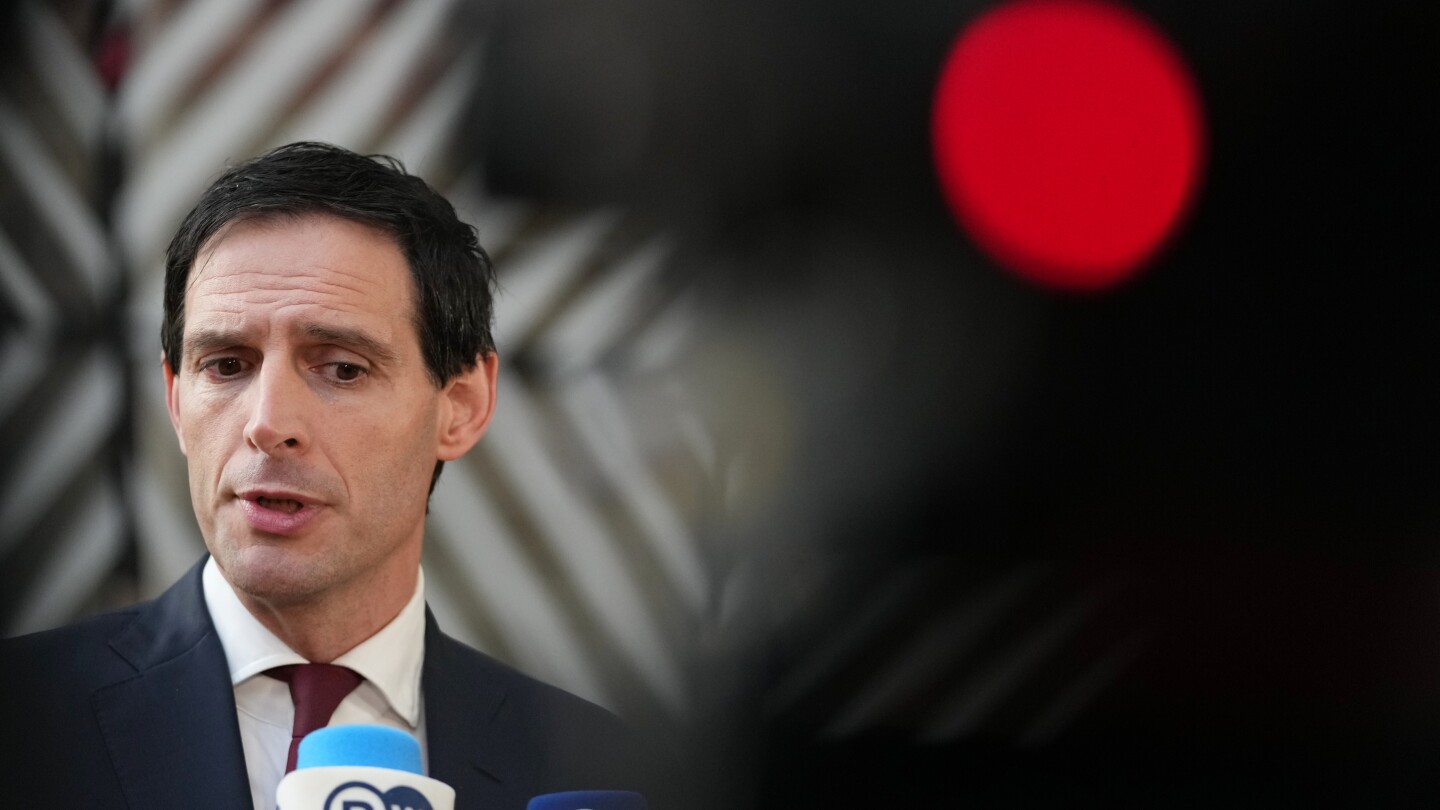
Since the Paris Agreement in 2015, many EU governments have shifted to the right, with some viewing climate regulations as economic constraints. Others argue that Europe must lead in renewable energy production to avoid dependency on countries like China. EU climate commissioner Wopke Hoekstra stressed the need to balance climate action with industrial competitiveness and independence, noting, ‘It takes 27 to tango.’
The U.S. withdrawal from the Paris Agreement has further unsettled Europe, which had previously collaborated closely with the U.S. on climate initiatives. The Paris Agreement aims to limit global temperature rise to 1.5°C above pre-industrial levels, requiring significant reductions in greenhouse gas emissions. The EU’s commitments have spurred investments in renewable energy and electric vehicles, often in competition with Chinese firms.
Europe, the world’s fastest-warming continent, has experienced accelerated warming since the 1980s, leading to more extreme weather events. Swedish climate minister Romina Pourmokhtari underscored the importance of maintaining ambition, stating, ‘Today is about standing ground and not only talking the talk when it is easy, but also walking the walk when it becomes difficult.’ The COP30 summit is scheduled for November 10-21 in Brazil.