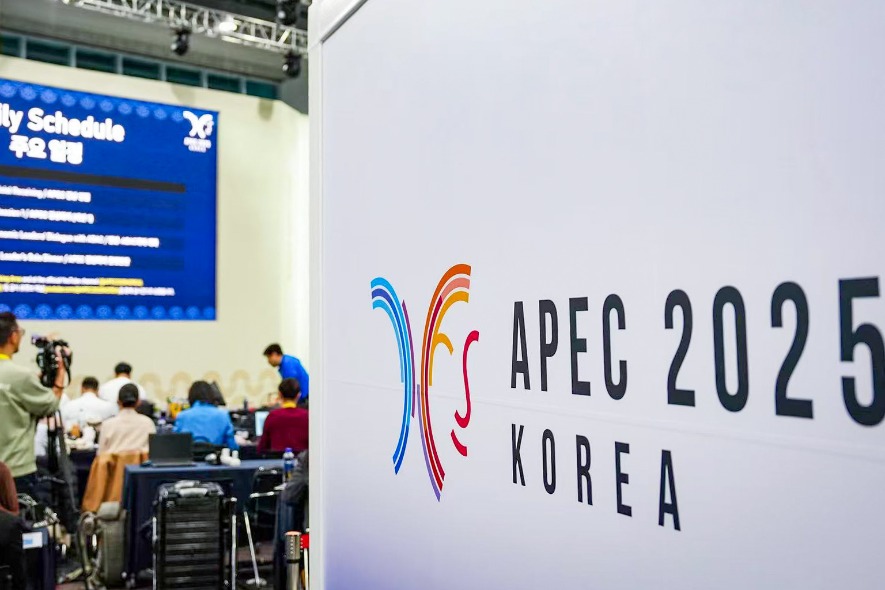
The recently concluded APEC Economic Leaders’ Meeting in Gyeongju, South Korea, has underscored the Asia-Pacific region’s pivotal role in steering the world toward a sustainable, low-carbon future. Amid ongoing global resistance to climate action, experts emphasize that the region must spearhead efforts to combat environmental challenges. APEC’s ambitious goal, set in 2014, to double renewable energy usage by 2030 from 2010 levels, is already ahead of schedule. Between 2010 and 2022, renewable energy’s share in power generation surged by 63.4%, from 15.58% to 25.46%. Kazutomo Irie, president of the Asia Pacific Energy Research Centre, expressed confidence that APEC will achieve its target in the power sector by 2030. The Gyeongju Declaration, adopted at the meeting, urged member economies to address shared challenges such as energy security, food security, and extreme weather events. Shakeel Ahmad Ramay, CEO of the Asian Institute of Eco-civilization Research and Development, highlighted the region’s growing recognition of green development’s importance amid global climate pressures. This year’s meeting, themed ‘Building a Sustainable Tomorrow: Connect, Innovate, Prosper,’ emphasized collaboration to tackle climate change and promote green growth. Lin Boqiang, head of the China Institute for Studies in Energy Policy, noted that APEC provides a crucial platform for addressing common challenges, especially after the U.S. withdrawal from the Paris Agreement. Despite progress, the region faces hurdles such as insufficient momentum and investment in the green transition. Experts called for deeper international cooperation to enhance investment, facilitate technological exchange, and promote policy coordination. Ramay suggested establishing an apolitical green transition fund to support developing economies. Lin also advocated for reducing trade barriers to enable the entry of affordable clean energy equipment into the Asia-Pacific market, fostering both energy security and clean energy goals.