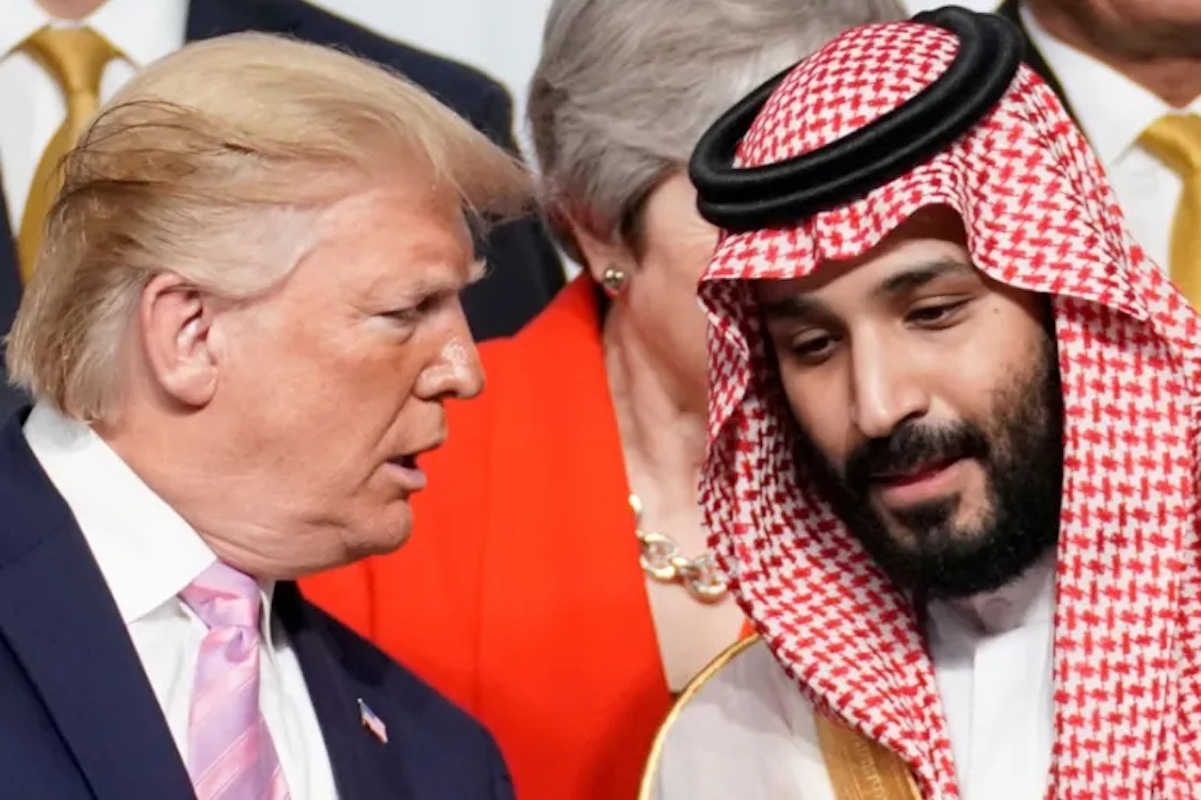
For decades, the US-Saudi relationship has been hailed as an unshakable cornerstone of American foreign policy in the Middle East. However, this alliance, once deemed sacrosanct, has now outlived its strategic purpose. Like a marriage sustained solely for appearances, both nations have drifted apart, pursuing divergent interests while maintaining the facade of partnership. It is time to confront the undeniable truth: the rationale for this alliance has dissolved, and its continuation undermines both American interests and regional stability. The traditional pillars of the relationship—oil security, counterterrorism, and containing Iran—have either become obsolete or counterproductive. The US, now a net energy exporter due to the shale revolution, no longer relies on Saudi oil, freeing itself from dependence on a regime whose values increasingly clash with its own. Meanwhile, Saudi Arabia has signaled its independence through actions such as coordinating with Russia via OPEC+ to manipulate oil prices, often against US preferences. This shift was starkly evident when Riyadh cut oil production to boost prices, directly opposing the Biden administration’s efforts to ease economic pressures on American consumers. Further evidence of the growing rift is Saudi Arabia’s deepening ties with China, which now accounts for a quarter of its oil exports and has brokered diplomatic breakthroughs like the Saudi-Iran detente—a feat Washington failed to achieve. Riyadh is also exploring alternatives to the petrodollar system, conducting transactions in yuan, signaling a move away from American financial hegemony. Despite these changes, Washington clings to the illusion of an unchanged alliance, continuing to supply advanced weaponry to Saudi Arabia, overlooking human rights abuses in Yemen, and downplaying the murder of journalist Jamal Khashoggi. This relationship, once strategic, has become transactional, driven more by institutional inertia and the interests of defense contractors than by genuine national priorities. A recalibration of this alliance is overdue. The US should engage with Saudi Arabia on commercial terms, cooperate on specific mutual interests like counterterrorism, and cease allowing this relationship to distort its broader Middle East policy. Stepping back from this dysfunctional alliance could encourage Riyadh to pursue more pragmatic regional policies, such as diplomatic engagement with Iran and a focus on economic diversification under Vision 2030. The US-Saudi alliance served its purpose in an era defined by American oil dependence and Cold War geopolitics. That era has ended, and so too should this outdated partnership. A truly conservative foreign policy would recognize that not all relationships are worth preserving at any cost. Sometimes, the most strategic move is to let go.