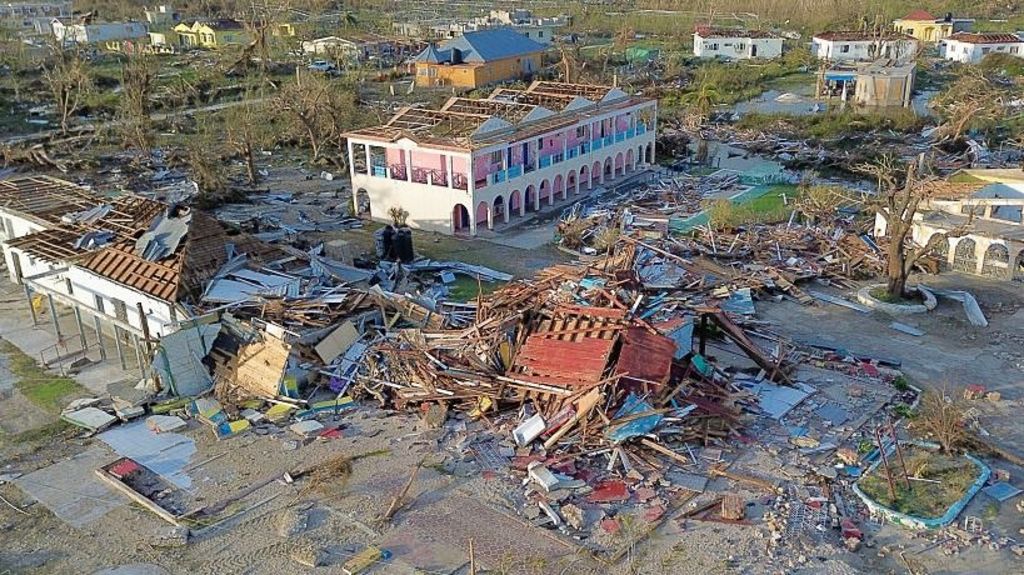
The Caribbean region is reeling from the catastrophic impact of Hurricane Melissa, a record-setting storm that has claimed at least 32 lives and caused widespread devastation across Jamaica, Haiti, and Cuba. Despite being downgraded from a Category 5 to a Category 1 hurricane, Melissa’s ferocity has left communities in ruins, with sustained winds reaching 298 km/h (185 mph) at its peak—surpassing even the destructive force of Hurricane Katrina in 2005. The storm’s path of destruction has been particularly severe in Jamaica’s southwestern parish of St Elizabeth, where knee-deep mud and washed-out bridges have isolated towns like Black River. In Cuba, Santiago de Cuba, the nation’s second-largest city, suffered extensive damage, with residents using machetes to clear debris-clogged streets. President Miguel Díaz-Canel described the hurricane’s impact as “considerable,” though no official casualty figures have been released. The Bahamas, while spared the worst of the storm, saw nearly 1,500 people evacuated in one of the largest operations in the country’s history. Despite flooding in some areas, major tourist destinations like Nassau and Freeport remain largely unaffected. Haiti, already grappling with gang violence and a humanitarian crisis, reported at least 23 deaths, including 10 children, primarily due to flooding from relentless rains. Communication and power networks in Jamaica’s hardest-hit regions remain severed, leaving families unable to contact loved ones. Amid the devastation, a glimmer of hope emerged as a baby was safely delivered under emergency conditions, earning the name “Baby Melissa.” The US National Hurricane Center (NHC) warns that hazardous conditions will persist in Cuba, Jamaica, and Hispaniola for several days, even as floodwaters in the Bahamas begin to recede.