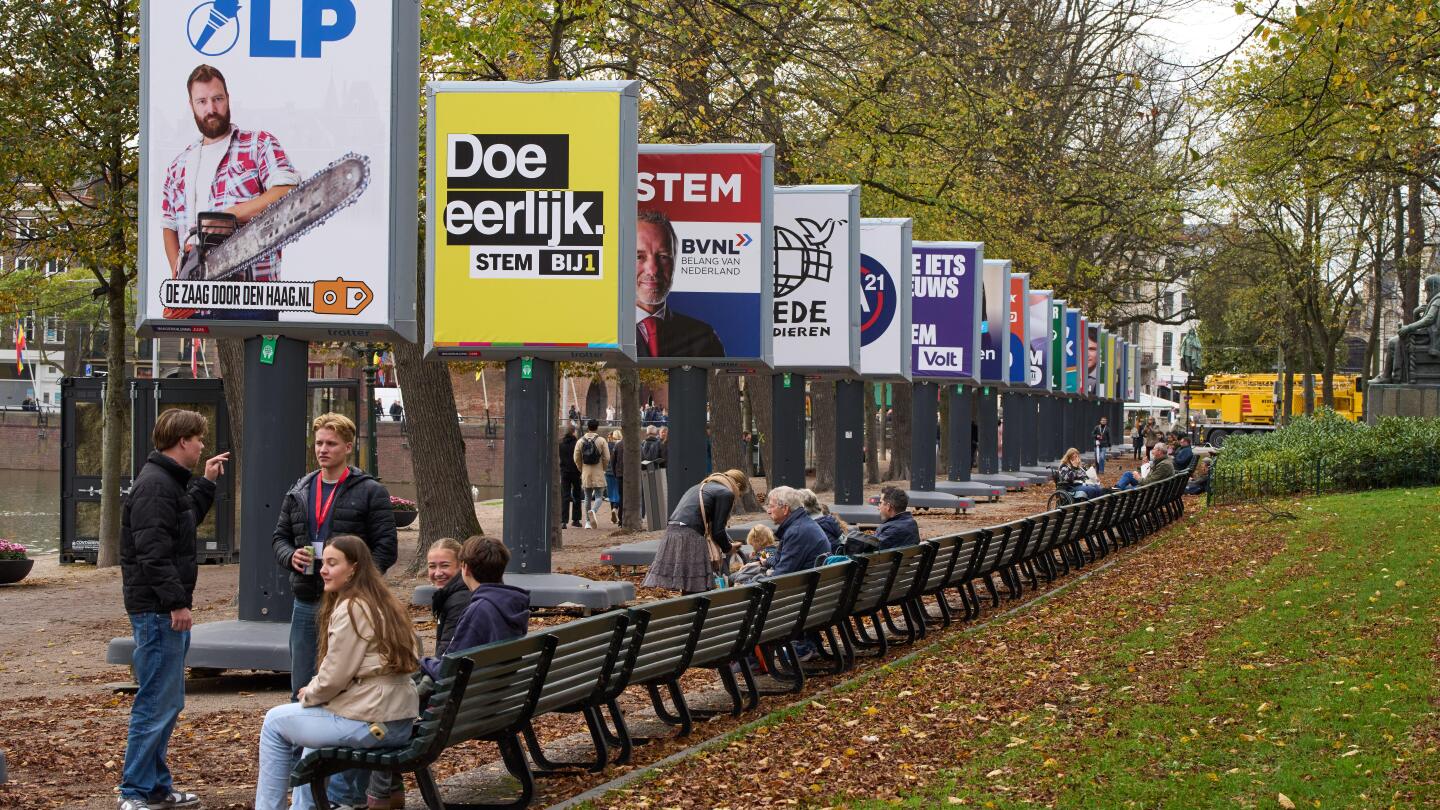
The Netherlands is witnessing a pivotal moment as voters cast their ballots in a tightly contested general election on Wednesday. The campaign has been dominated by pressing issues such as migration, a housing crisis, and the potential collaboration with Geert Wilders, the controversial anti-Islam lawmaker whose Party for Freedom (PVV) secured a surprising victory two years ago. This election unfolds against a backdrop of heightened polarization and recent violence, including clashes at anti-immigration rallies and protests against new asylum-seeker centers across the country. Polls indicate that Wilders’ PVV, advocating for a complete halt to asylum-seekers entering the Netherlands, remains a frontrunner. However, moderate parties are gaining ground, and pollsters warn that many voters may decide their choice at the last minute. Voting stations, ranging from city halls to historic landmarks like the Anne Frank House, opened at 7:30 a.m. and will close at 9 p.m., with exit polls expected shortly after. The election’s outcome will shape the formation of a coalition government, as the Dutch proportional representation system ensures no single party can govern alone. Mainstream parties have largely ruled out working with Wilders, citing his role in destabilizing the previous coalition over migration policies. Leaders like Rob Jetten of the center-left D66 and Frans Timmermans of the Labor-Green bloc have criticized Wilders’ divisive rhetoric, emphasizing the need for constructive solutions to migration challenges. Wilders, meanwhile, defends his record, blaming other parties for obstructing his agenda. The election could also mark the decline of the New Social Contract party, which faces potential obliteration after joining the outgoing coalition with Wilders and losing its popular leader, Pieter Omtzigt, earlier this year.
Dutch voters head to polls in a knife-edge election focused on housing and Wilders