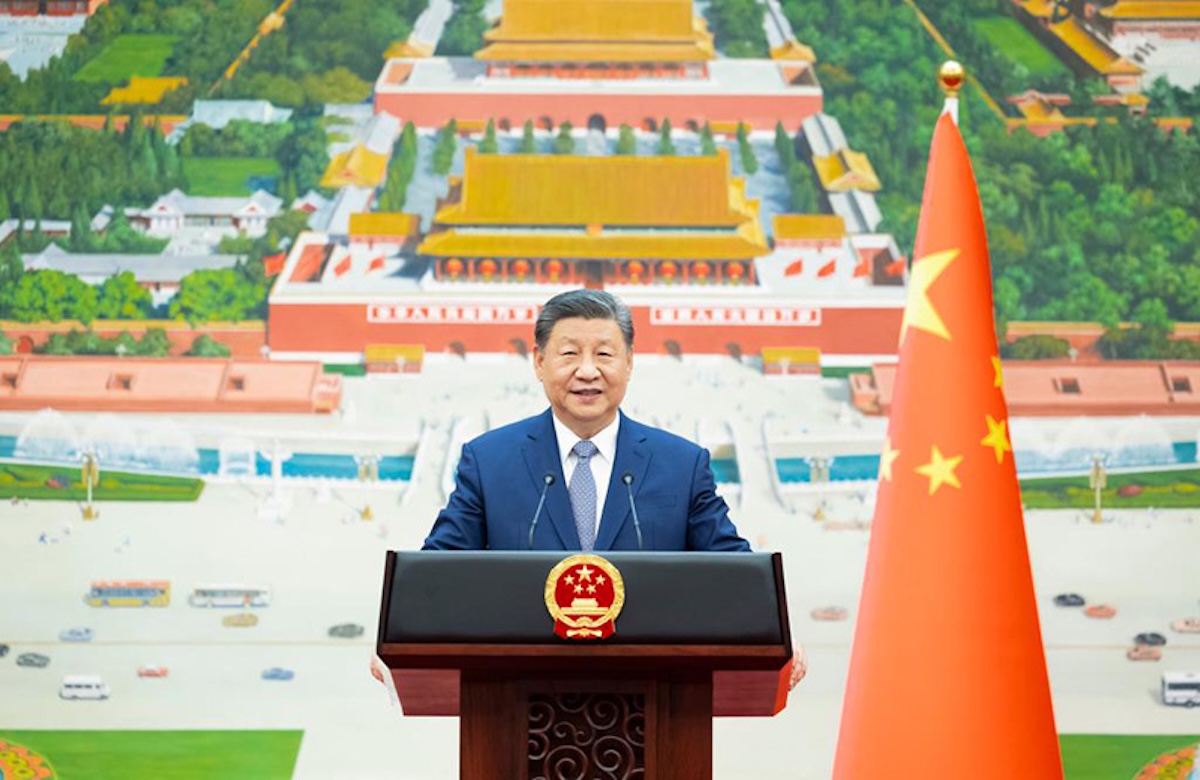
The upcoming US-China summit in Korea marks a pivotal moment in international diplomacy, as it will be the first time the People’s Republic of China (PRC) holds a strategic advantage over the United States. This shift is largely attributed to President Xi Jinping’s consolidation of power domestically and China’s dominance in the global rare earth elements market, which accounts for 70% of the world’s supply and 90% of its processing. These resources are critical for electronics manufacturing, giving China significant leverage in global industrial production. This strategic edge has brought Taiwan’s reunification closer than ever, further strengthening Beijing’s position on the global stage. Historically, the US has faced similar challenges, such as the oil crisis in the 1970s and Japan’s technological rise in the 1980s, but it remains uncertain whether China will follow the same trajectory. Domestically, Xi has overseen the largest purge in the history of the People’s Liberation Army (PLA), consolidating his authority and addressing systemic corruption. His leadership has reshaped China’s decision-making processes, drawing inspiration from both imperial history and Soviet-era governance. However, challenges remain, including bureaucratic inertia and the need to balance internal and external pressures. As China navigates these complexities, the outcome of the US-China summit will be a critical indicator of Beijing’s ability to maintain its strategic advantage in the years to come.