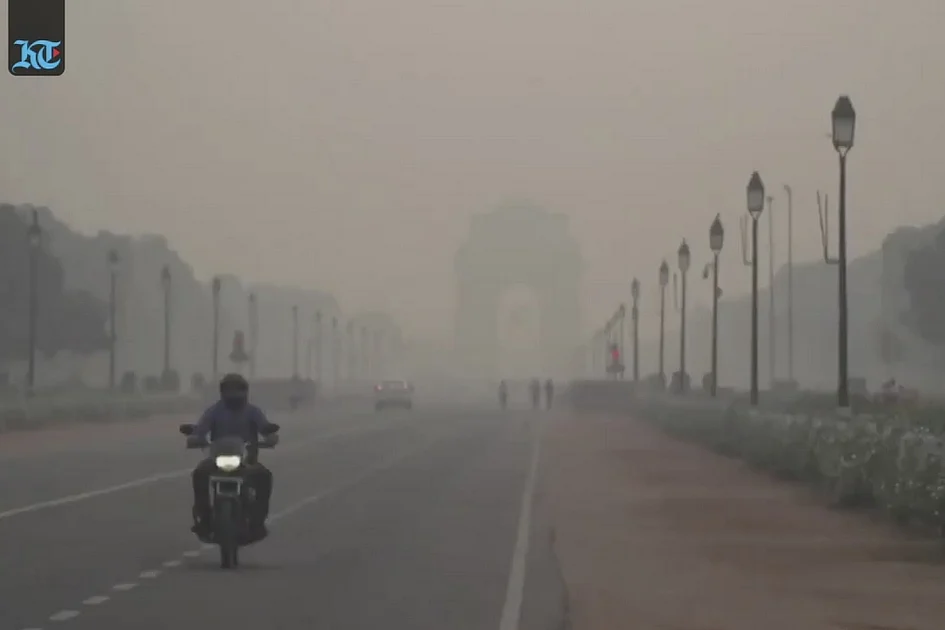
In a groundbreaking move to tackle the escalating air pollution crisis, authorities in Delhi initiated cloud seeding operations on Tuesday. This innovative technique aims to induce artificial rainfall, which could potentially reduce pollution levels by up to 50%. Environment Minister Manjinder Singh Sirsa announced the initiative, emphasizing its urgency as the city grapples with hazardous air quality. Cloud seeding involves dispersing chemical particles into clouds to stimulate the formation of raindrops, a method previously used in other countries to address drought and improve air quality. However, this marks its first application in Delhi. The Indian Institute of Technology (IIT) in Kanpur is leading the project, with scientists predicting rainfall within 15 minutes to four hours post-seeding. If successful, the initiative could pave the way for a long-term strategy extending through February. Despite its potential, the effectiveness of cloud seeding remains debated, with studies yielding mixed results. Delhi’s air quality index (AQI) stood at 304 on Tuesday, classified as ‘very poor’ by the Central Pollution Control Board. The city’s pollution woes are exacerbated during winter by factors such as construction dust, vehicle emissions, and crop residue burning. Scientist Manindra Agrawal of IIT-Kanpur cautioned that while artificial rain can temporarily alleviate pollution, repeated efforts are necessary to sustain improvements.