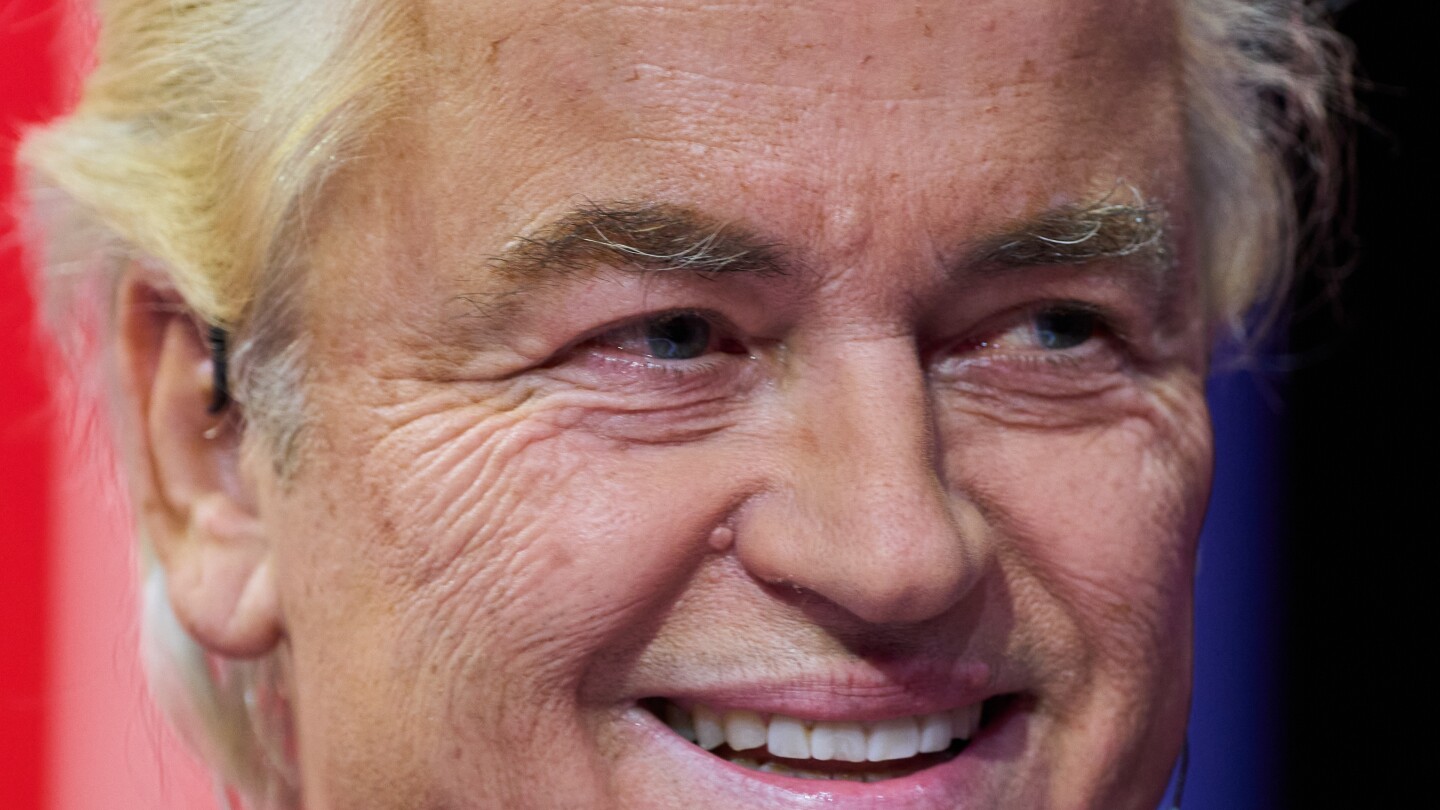
The Netherlands is bracing for a fiercely contested parliamentary election as Geert Wilders’ populist, anti-Islam Party for Freedom (PVV) and the center-left coalition of the Labor Party and Green Left vie for dominance in the 150-seat Second Chamber. The election, scheduled for Wednesday, is expected to be a close race, with both factions polling neck-and-neck in the lead-up to the vote.
Geert Wilders, the controversial figurehead of the PVV, has long been a polarizing force in Dutch politics. Known for his vehement criticism of Islam, Wilders led his party to a surprising victory in the last election, though he was denied the prime minister’s office due to coalition partners’ reluctance. Instead, he appointed career civil servant Dick Schoof as premier. Wilders, who has lived under constant security due to death threats, has a history of political turbulence, including his role in toppling a minority coalition in 2010 over austerity measures.
On the opposing side, Frans Timmermans, a former Dutch foreign minister and European Commission vice president, has emerged as a key leader of the Labor-Green Left bloc. Timmermans, who gained international recognition for his emotional speech following the MH17 tragedy, has been instrumental in uniting the center-left parties. However, his campaign has faced challenges, including AI-generated fake images circulated by Wilders’ supporters, which falsely depicted him in compromising situations.
Other notable contenders include Henri Bontenbal of the Christian Democratic Appeal (CDA), who has worked to restore the party’s credibility after a historic electoral defeat, and Dilan Yeşilgöz-Zegerius of the People’s Party for Freedom and Democracy (VVD), who has struggled to maintain her party’s standing amid coalition infighting. Rob Jetten of the centrist D66 party, the youngest candidate, has also seen a rise in support, focusing on climate issues and LGBTQ+ rights.
The election comes at a critical juncture for the Netherlands, with issues such as migration, housing, and climate policy dominating the discourse. The outcome will not only shape the country’s political landscape but also determine the direction of its policies in the years to come.