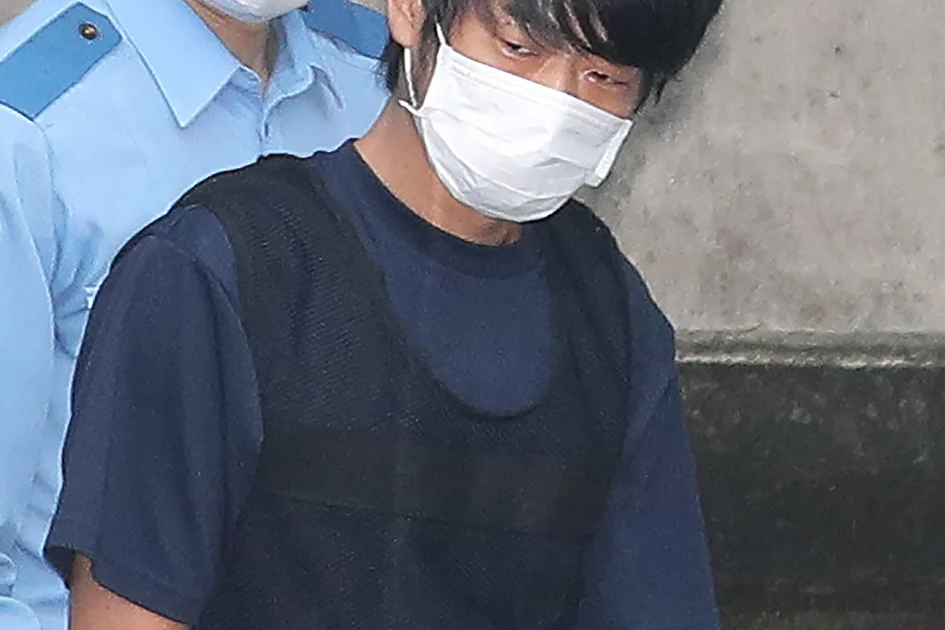
In a landmark court hearing on Tuesday, Tetsuya Yamagami, the 45-year-old gunman accused of assassinating Japan’s former Prime Minister Shinzo Abe, pleaded guilty to the charges. The shocking murder, which occurred in broad daylight in July 2022, sent ripples across a nation unaccustomed to gun violence and exposed deep-seated issues surrounding the influence of the Unification Church on Japanese politics. Yamagami, handcuffed and with a rope around his waist, appeared in the Nara court, where he admitted to the crime in a barely audible voice. His lawyer indicated plans to contest certain charges, including violations of arms control laws, as Yamagami had allegedly used a handmade weapon. The trial, delayed due to a suspicious item found in 2023, has been a focal point of national attention, particularly for its exploration of Yamagami’s motivations. Prosecutors revealed that Yamagami harbored deep resentment toward the Unification Church, blaming it for derailing his life. He initially sought to target Church executives but, unable to procure a firearm, decided to craft his own. Yamagami believed that killing a figure as influential as Abe would draw public scrutiny to the Church. Abe had faced criticism for his perceived ties to the sect, which has been accused of exploiting its members. Yamagami’s lawyers argued that his life was devastated by the Church, citing his mother’s extreme financial devotion to the sect and the subsequent collapse of their family. The assassination prompted a national reckoning, leading to the resignation of four ministers and the dissolution of the Church’s Japanese arm. It also spurred Japan to further tighten its already stringent gun control laws, introducing penalties for sharing firearm-making tutorials online.