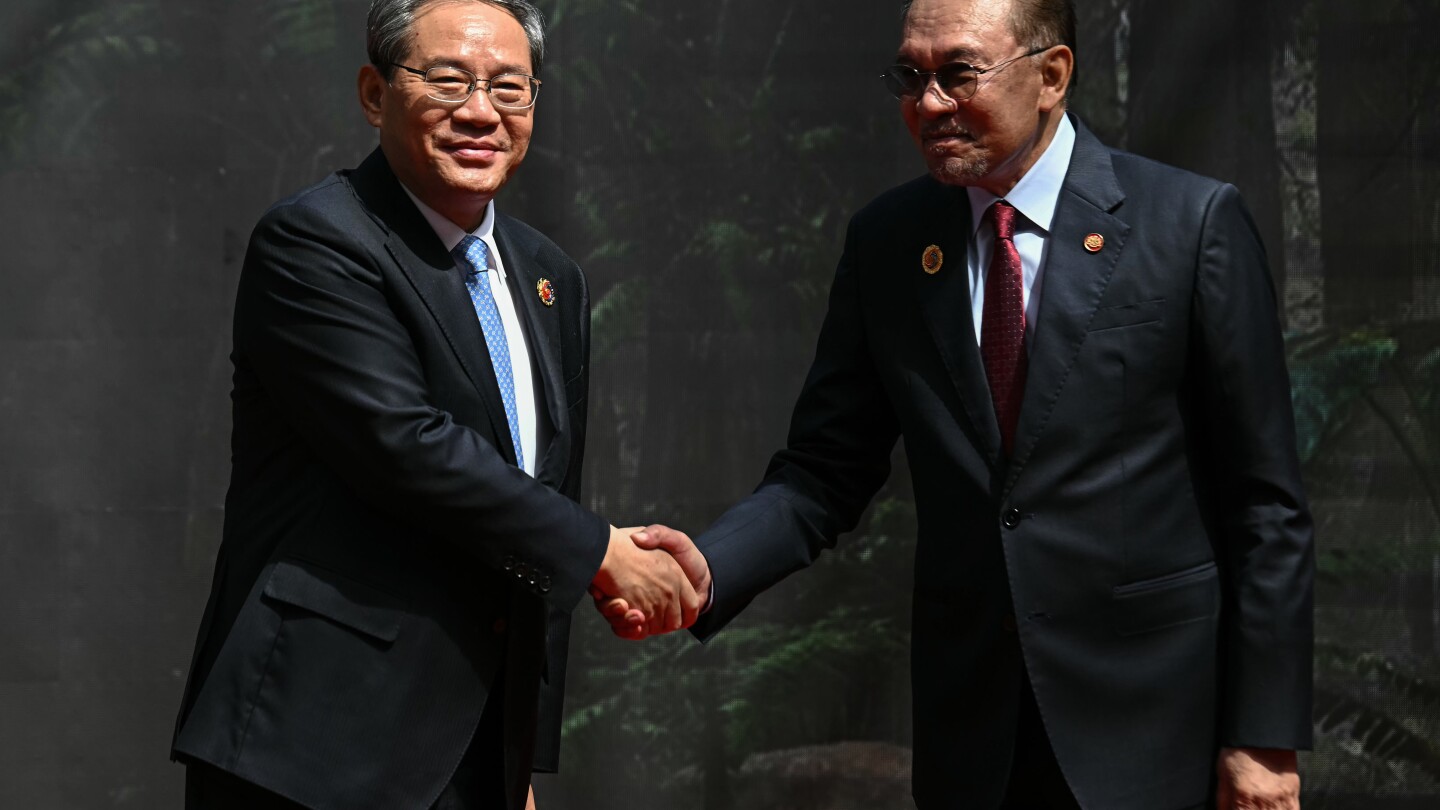
At the East Asia Summit in Kuala Lumpur, Malaysian Prime Minister Anwar Ibrahim emphasized the importance of dialogue and cooperation over coercion and confrontation. Addressing leaders from the Asia-Pacific region, Anwar highlighted the need for multilateralism and adherence to international law, particularly in the context of ongoing conflicts in Gaza, Ukraine, and North Korea, as well as the intensifying U.S.-China rivalry. The summit, a forum involving ASEAN and its key partners including Australia, China, India, Japan, New Zealand, South Korea, Russia, and the United States, focused on political, security, and economic challenges. Anwar also called for the resolution of the South China Sea territorial disputes through a negotiated Code of Conduct, warning against external pressures that could escalate tensions. Philippine President Ferdinand Marcos Jr. supported this stance, vowing to accelerate the Code of Conduct’s conclusion when the Philippines assumes the ASEAN chairmanship next year. Meanwhile, Chinese officials blamed Philippine actions for the maritime tensions. On other issues, Anwar commended U.S. efforts to resolve the Gaza conflict but stressed the need for a just and lasting solution for Palestinians. He also expressed concern over North Korea’s missile launches and reiterated ASEAN’s commitment to the Five-Point Consensus for peace in Myanmar. The summit also saw discussions on economic resilience, with leaders from the Regional Comprehensive Economic Partnership (RCEP) vowing to enhance regional economic integration and counter U.S. tariff impacts. Canadian Prime Minister Mark Carney announced plans to accelerate free trade talks with ASEAN, aiming to double non-U.S. exports in the next decade. The event concluded with a celebration of Brazilian President Luiz Inácio Lula da Silva’s 80th birthday, marking a lighter moment in the otherwise intense diplomatic gathering.