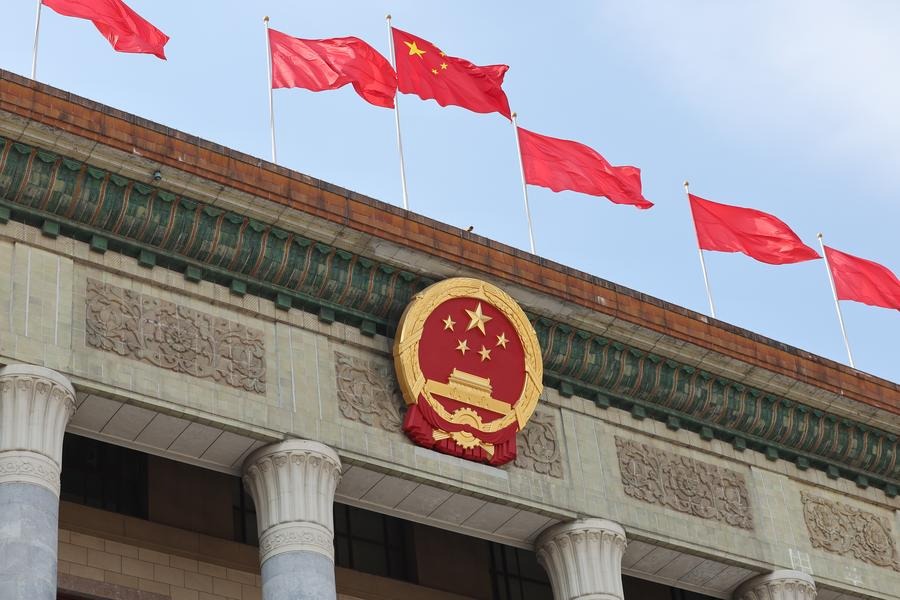
China is taking a significant step to codify its public interest litigation system into law, marking a milestone in its legal and governance modernization efforts. The draft law on procuratorial public interest litigation, currently under review by the Standing Committee of the National People’s Congress (NPC), aims to consolidate and expand the system’s scope, which has been in place since 2015. This legislation, the first of its kind, defines 14 existing categories of public interest litigation and introduces two new areas: cultural heritage and national defense. The draft also establishes clear rules on jurisdiction, investigation, trial, and enforcement, ensuring a structured approach to safeguarding national and social interests. Yang Xiaochao, chair of the NPC’s Supervisory and Judicial Affairs Committee, emphasized that the law reflects China’s commitment to timely and effective public interest protection, a global governance priority. The draft mandates that prosecutors first urge administrative agencies to fulfill their duties before initiating litigation, and it prohibits coercive measures like restricting personal freedom or freezing assets during investigations. Citizens and social organizations are encouraged to provide leads and monitor case handling, fostering public participation. Since its pilot launch in 2015, the system has handled over 1.22 million cases, with significant support from provincial-level governments and legislatures. The Supreme People’s Procuratorate has also established collaborative mechanisms with over 30 administrative law enforcement agencies to enhance practical and theoretical integration. This new law aims to address the fragmented nature of existing regulations, providing a unified framework to tackle practical challenges and institutionalize a decade of innovative practices.