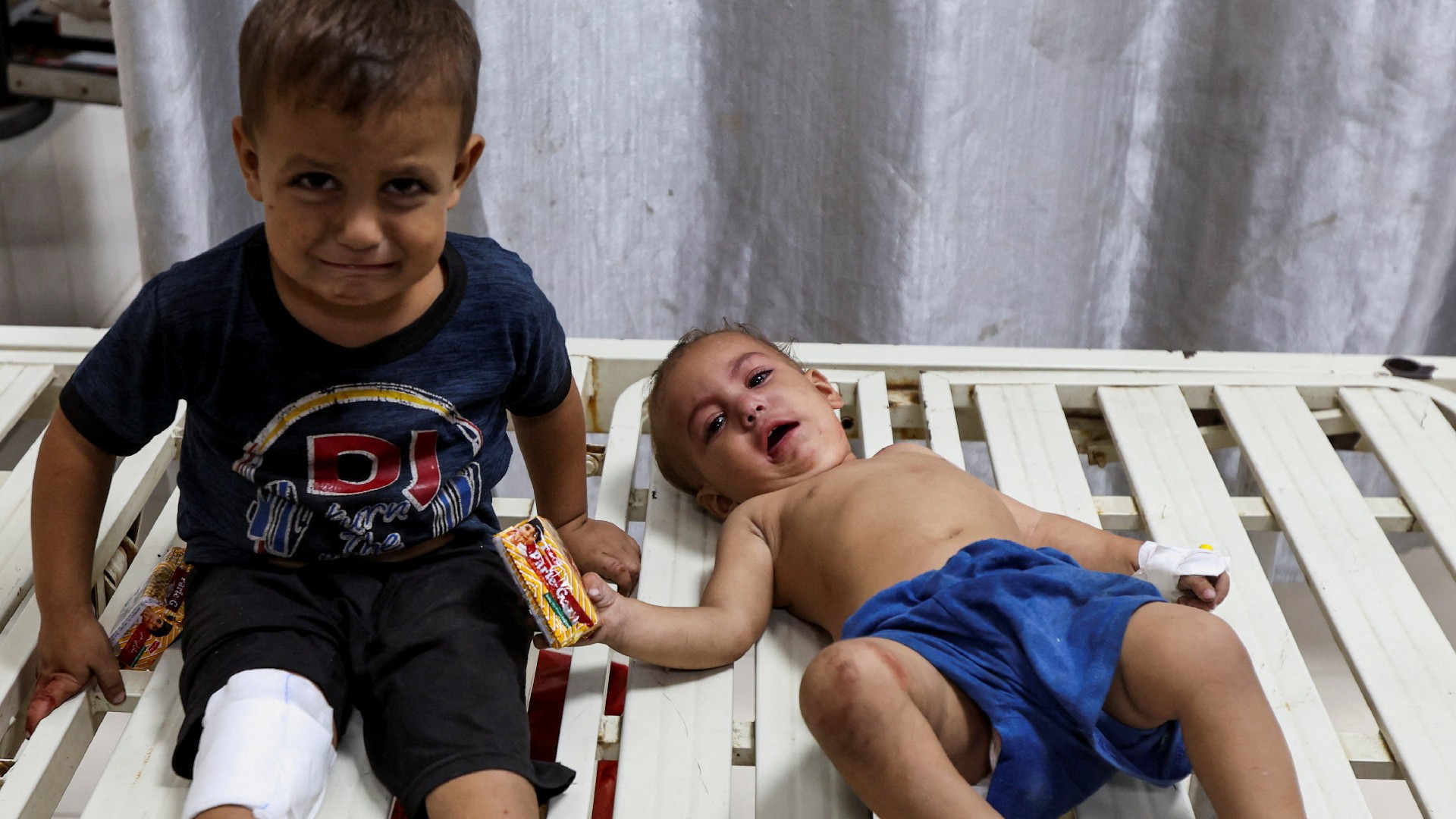
The healthcare crisis in Gaza remains dire despite a fragile ceasefire, as Israeli restrictions continue to block the entry of essential medical supplies and equipment, aid groups have warned. Lena Dajani, a volunteer coordinating medical aid in Gaza, reported that healthcare conditions have seen no improvement since the ceasefire began on October 10. While health workers are no longer overwhelmed by casualties from bombardments, they face severe shortages of basic medical supplies and equipment. The World Health Organization revealed that only 10% of requested medical supplies have entered Gaza since the ceasefire. Dajani highlighted the prevalence of sepsis due to a lack of disinfectants, describing hospitals as breeding grounds for viruses and bacteria. Overcrowding persists, with patients forced to sleep on floors or in makeshift tents. Cases like Saab, a child evacuated from northern Gaza who lost half his skull, underscore the dire conditions. Medications for genetic disorders, such as Keppra syrup for epilepsy, are unavailable, and refrigeration-dependent drugs like insulin cannot be stored due to infrastructure and electricity shortages. Bahaa Zaqout, director of external relations at PARC, a Palestinian NGO, stated that almost no medical equipment or medicine has entered Gaza since the ceasefire. Items classified as ‘dual-use,’ including most medical equipment, are barred. Zaqout noted that the list of restricted items has expanded from 1,400 to around 4,000 since Israel’s military assault began. Only 90 trucks enter Gaza daily, far fewer than promised, with aid trucks comprising just 15% of deliveries. Zaqout emphasized the unavailability of even basic medications like paracetamol and assistive devices such as wheelchairs. A report by the Atfaluna Society for Deaf Children found that 58,000 people in Gaza are living with disabilities, with 22,500 requiring rehabilitation services. The NGO estimated that 35,000 people are at risk of temporary or permanent hearing loss. Medical delegations, including British plastic surgeon Victoria Rose, continue to face entry denials. Rose, part of a delegation denied entry on October 9, noted that medical workers are limited to five seats per month on convoys entering Gaza. Since October 2023, 17,000 Palestinian medical workers have been killed, with 95 still detained by Israel. The healthcare system remains critically understaffed, with urgent needs in orthopaedic and plastic surgery.
‘Nothing has changed’: Gaza health workers report almost no medical aid entering the strip