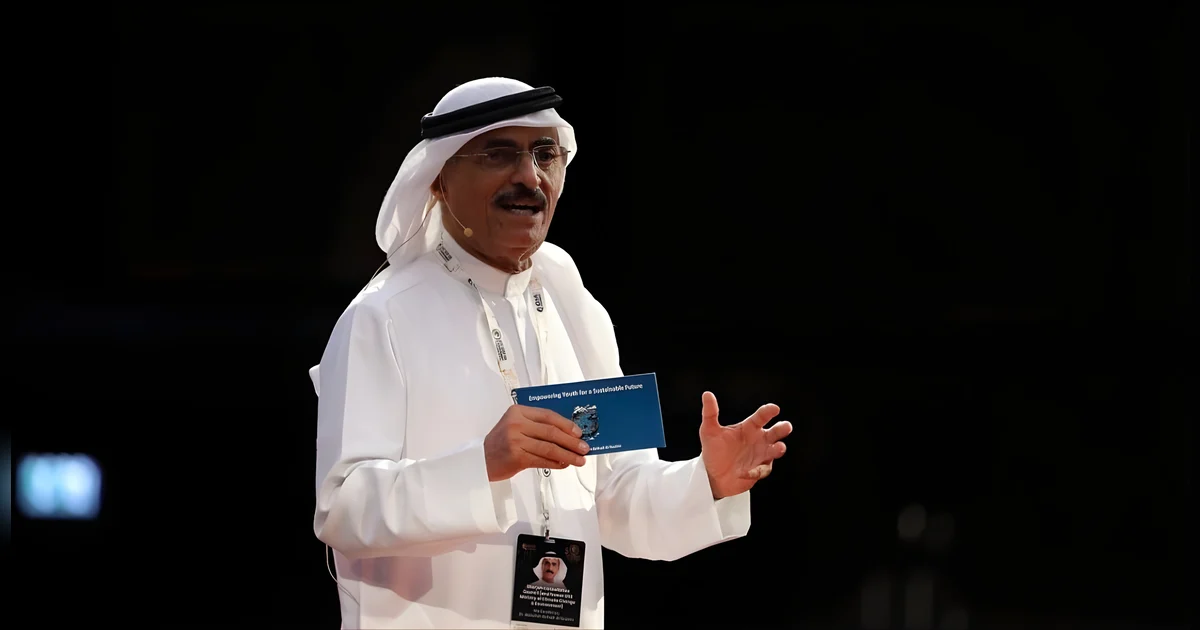
As urbanization accelerates globally, the importance of inclusive urban design has become a central focus. Dr. Abdullah Belhaif Alnuaimi, a prominent Emirati leader in environmental policy and sustainable innovation, emphasizes that cities are not merely physical spaces but reflections of societal values, priorities, and aspirations. The shift from traditional urban planning to participatory models is reshaping urban landscapes, ensuring that diverse populations are represented in the development process.
Historically, urban planning often relegated communities to reactive roles, consulting them only after major decisions were made. Today, the paradigm has shifted towards co-creation, empowering residents to actively shape their environments from the outset. Tools such as collaborative idea generation sessions, Geographic Information Systems (GIS), and digital surveys are enabling a broader, more democratic vision of urban development. This approach is not only strategic but also leverages the skills and experiences of communities to produce locally resonant solutions.
Examples of this transformative approach can be seen globally. In Sharjah, United Arab Emirates, municipal councils play a pivotal role in ensuring that projects align with cultural values and modern urban planning principles. Similarly, Medellín, Colombia, has adopted an ‘urban acupuncture’ model, engaging residents in identifying areas for micro-interventions, such as public escalators in hilly districts, which have significantly improved mobility and dignity for residents.
Equity in accessibility is another critical aspect of inclusive urban design. Cities like São Paulo, Brazil, and Vienna, Austria, are using innovative mapping techniques and gender mainstreaming to address disparities in housing, transportation, and public spaces. Copenhagen, Denmark, has re-established affordable housing to ensure social equity, while Tokyo, Japan, focuses on initiatives to support its aging population.
Universal Design (UD) principles are also gaining traction, emphasizing accessibility for individuals of all ages, abilities, and backgrounds. From step-free access to tactile signage and audible alerts, UD ensures that urban spaces are inclusive and cost-effective from the outset.
Climate resilience is another cornerstone of inclusive urban development. Green infrastructure strategies, such as community gardens, tree canopy expansion, and permeable pavements, are being implemented to mitigate environmental risks that disproportionately affect marginalized groups. New York’s ‘cool roofs’ initiative, for instance, targets low-income areas with reflective roof coatings to combat urban heat islands.
Cultural diversity is equally vital in urban design. Public spaces that reflect the cultural identities of their communities, such as Toronto’s Regent Park and Sharjah’s heritage zones, foster intercultural dialogue and a sense of belonging.
As Dr. Alnuaimi aptly notes, ‘We cannot seek achievement for ourselves and forget about progress and prosperity for our community.’ The future of urban development lies in community-driven, inclusive, and sustainable practices that address the needs of all residents.