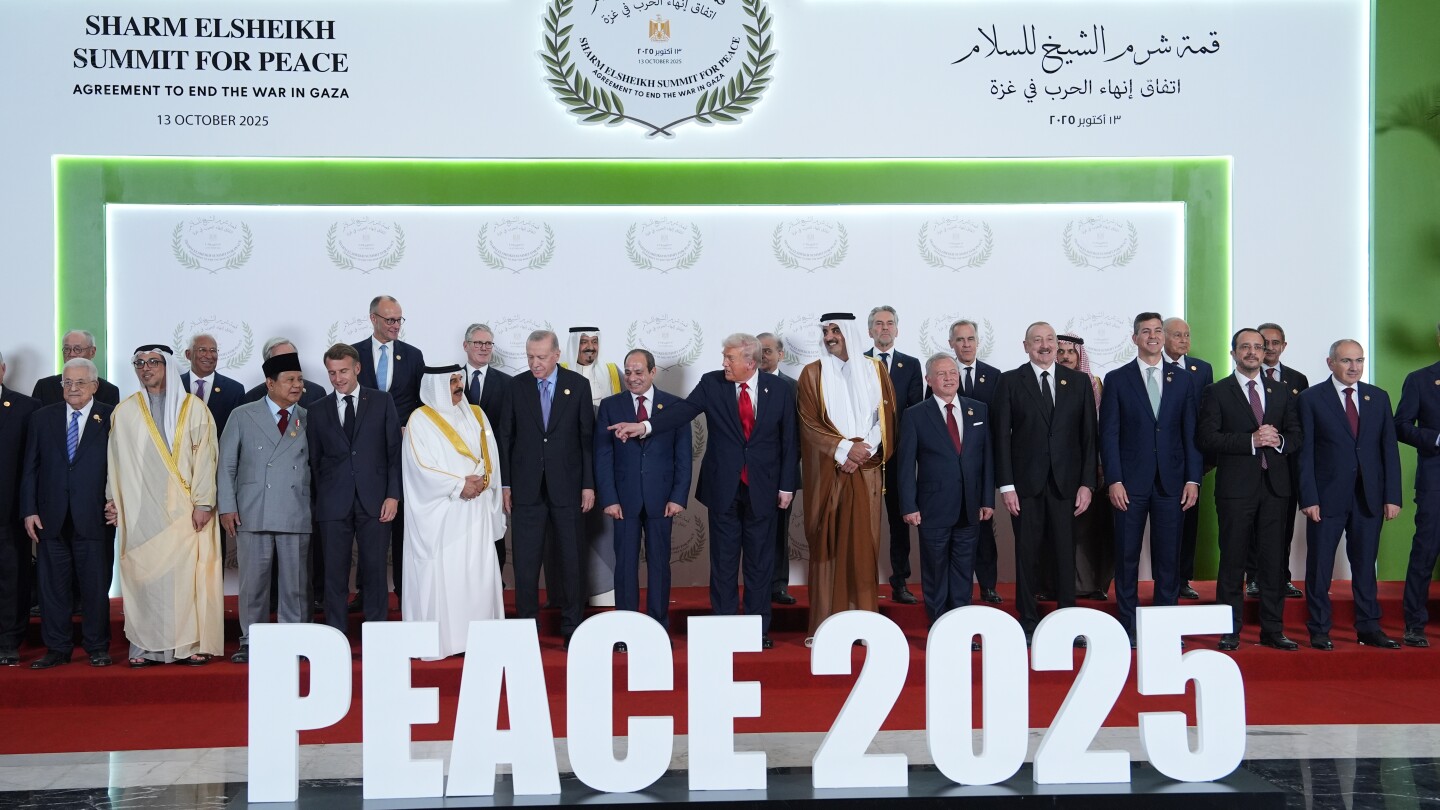
In a striking display of U.S. diplomatic dominance, President Donald Trump recently took center stage in Egypt to announce a U.S.-brokered ceasefire between Israel and Hamas. The scene, with world leaders standing behind him, underscored Europe’s waning influence in global diplomacy. Trump’s ‘America First’ approach has effectively sidelined European allies, leaving them struggling to shape his policies on critical issues like the Ukraine war and the Gaza conflict. Geopolitical expert Lindsay Newman noted that Trump’s foreign policy is largely defined by his personal agenda, leaving little room for European input. Despite mixed results, European leaders have attempted to influence Trump’s stance on Ukraine, with limited success. Trump’s recent sanctions on Russia’s oil and gas industry, while significant, appeared more motivated by frustration with Russian President Vladimir Putin than by European lobbying. Meanwhile, Europe’s role in the Israel-Hamas ceasefire has been minimal, with Trump focusing on Middle Eastern allies like Egypt and Qatar. The ceasefire has temporarily muted European criticism of Israel, offering a brief respite in U.S.-Europe tensions. While Europe has made some progress in forging a unified stance toward Trump, its influence remains limited. However, Trump’s threats to NATO and global tariffs have spurred European nations to increase military spending and strengthen intra-European ties. Kathleen Burk, a historian, suggested that Europe’s unity could still sway Trump, who may recognize the value of allies over adversaries.