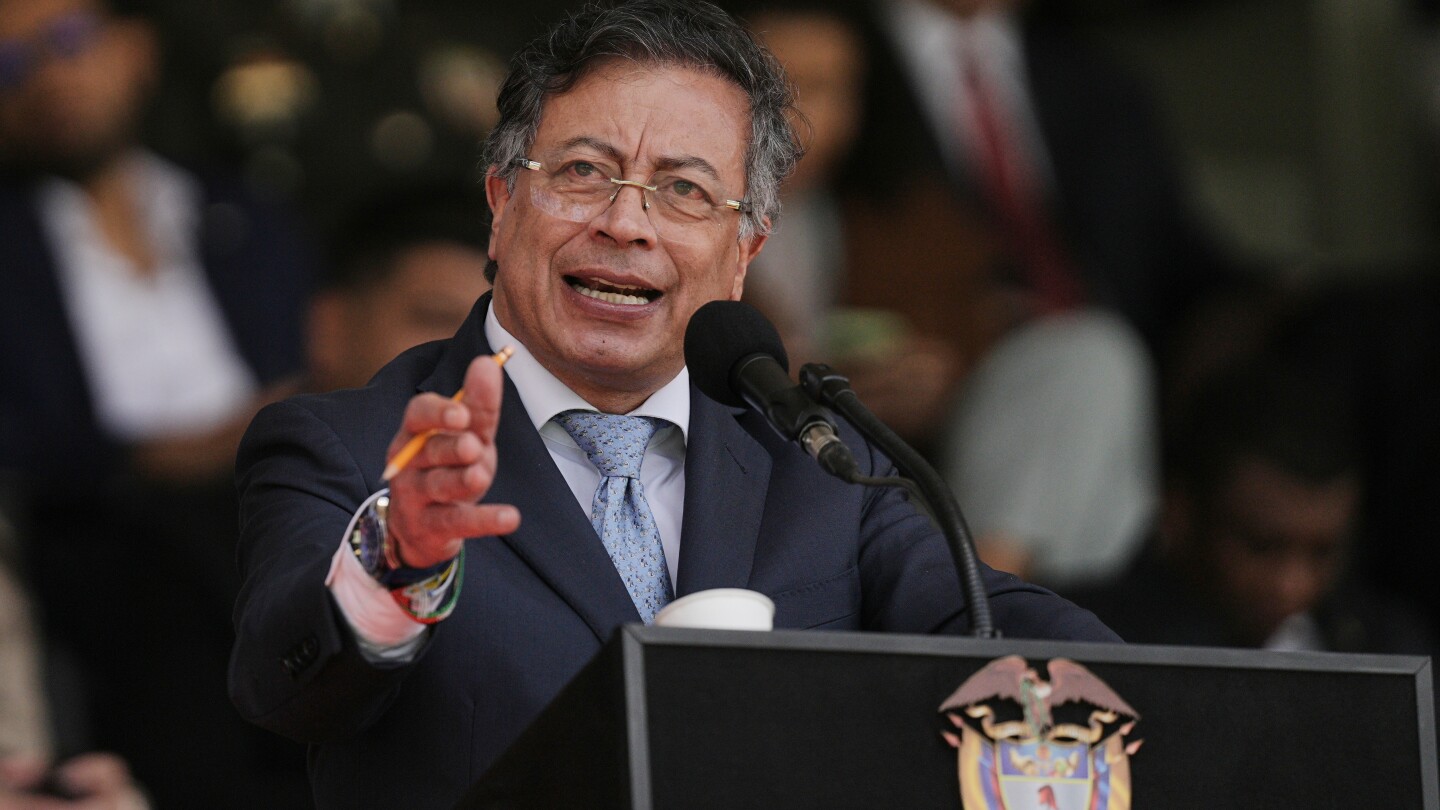
The Trump administration has imposed sanctions on Colombian President Gustavo Petro, his family, and a senior government official, accusing them of involvement in the global drug trade. This move marks a significant escalation in tensions between the U.S. and one of its closest allies in South America. The sanctions, announced by the Treasury Department, target Petro, his wife Veronica del Socorro Alcocer Garcia, his son Nicolas Fernando Petro Burgos, and Colombian Interior Minister Armando Alberto Benedetti. Treasury Secretary Scott Bessent stated that Petro has allowed drug cartels to thrive and failed to curb their activities, prompting President Trump to take decisive action to protect the U.S. from drug trafficking. The sanctions follow a series of clashes between the U.S. and Colombia, particularly over American military strikes on alleged drug-carrying vessels off South America. This week, the U.S. expanded its anti-drug operations to the eastern Pacific Ocean, a major cocaine smuggling route, and deployed an aircraft carrier to the region. Petro has vehemently denied the accusations, vowing to defend himself in U.S. courts and emphasizing his commitment to combating drug trafficking through alternative policies, such as agreements with coca growers to transition to legal crops. The U.S. has also slashed aid to Colombia, with expected cuts of at least 20%, or $18 million, and threatened tariffs on Colombian exports. Petro’s approach to drug policy, which focuses on addressing the root causes of drug production rather than repression, has drawn criticism from the Trump administration, which has intensified military operations in Latin America to target traffickers. The sanctions and aid cuts underscore the deepening rift between the two nations, with Petro accusing the U.S. of hypocrisy and vowing to resist pressure.
US imposes sanctions on Colombia’s president and family members over drug trade allegations