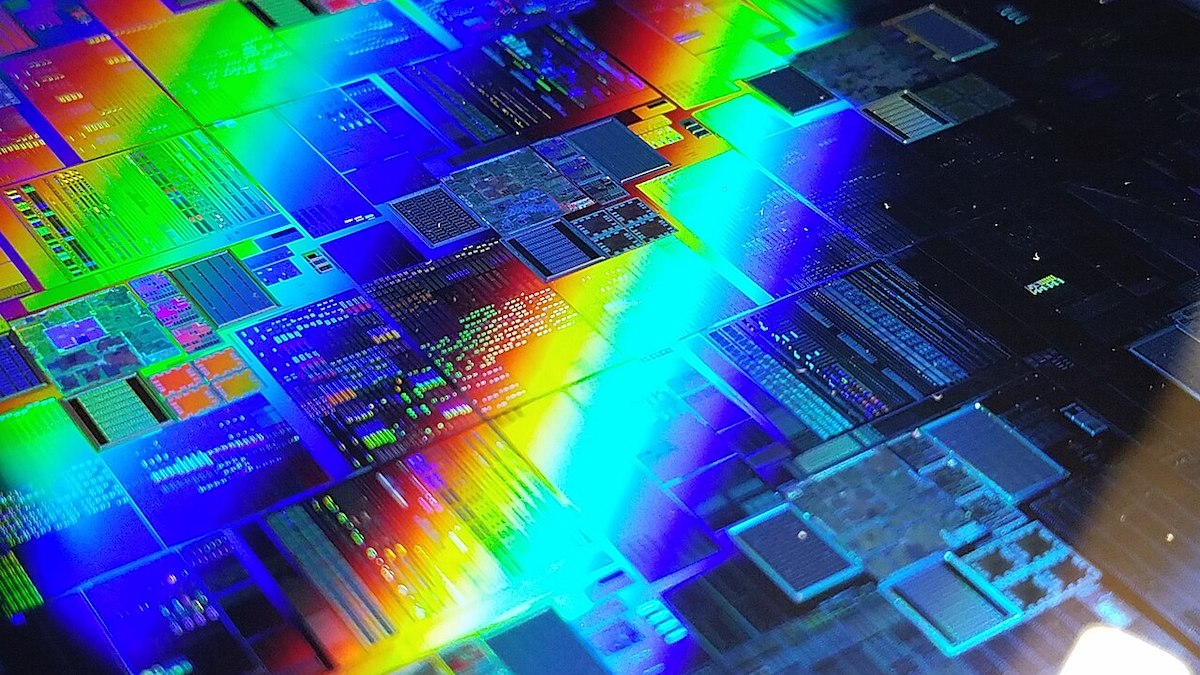
A Chinese firm reportedly sought technical assistance from ASML, the global leader in chipmaking equipment, after failing to reassemble a deep-ultraviolet (DUV) lithography machine following an internal teardown. The incident highlights China’s ongoing challenges in replicating advanced semiconductor technology amid US sanctions. Brandon Weichert, a senior national security editor at The National Interest, revealed in a social media post that the Chinese firm dismantled an older ASML DUV machine in an attempt to reverse engineer it but encountered significant difficulties in reassembling the complex system. Weichert suggested that the firm’s actions were driven by efforts to circumvent US restrictions on advanced chipmaking equipment. However, the attempt appears to have backfired, as the machine was reportedly damaged during the process. The incident underscores the immense technical hurdles China faces in developing its own lithography systems, despite substantial investments in domestic research and development. While Chinese commentators acknowledge the challenges, they remain optimistic about the country’s progress in mastering key components of lithography technology. For instance, Professor Zhao Yongpeng of the Harbin Institute of Technology successfully developed a discharge plasma extreme ultraviolet (EUV) light source in 2024, marking a significant milestone. Nevertheless, reverse engineering ASML’s immersion DUV machines remains a formidable task due to their extreme precision, complex mechanics, and highly integrated technology. Despite these obstacles, China continues to expand its domestic lithography supply chain, with several firms making strides in optical systems, laser technology, and precision components. The Ministry of Industry and Information Technology has also endorsed domestically produced lithography systems capable of producing 130 nm and 65 nm chips, signaling gradual progress in the sector.