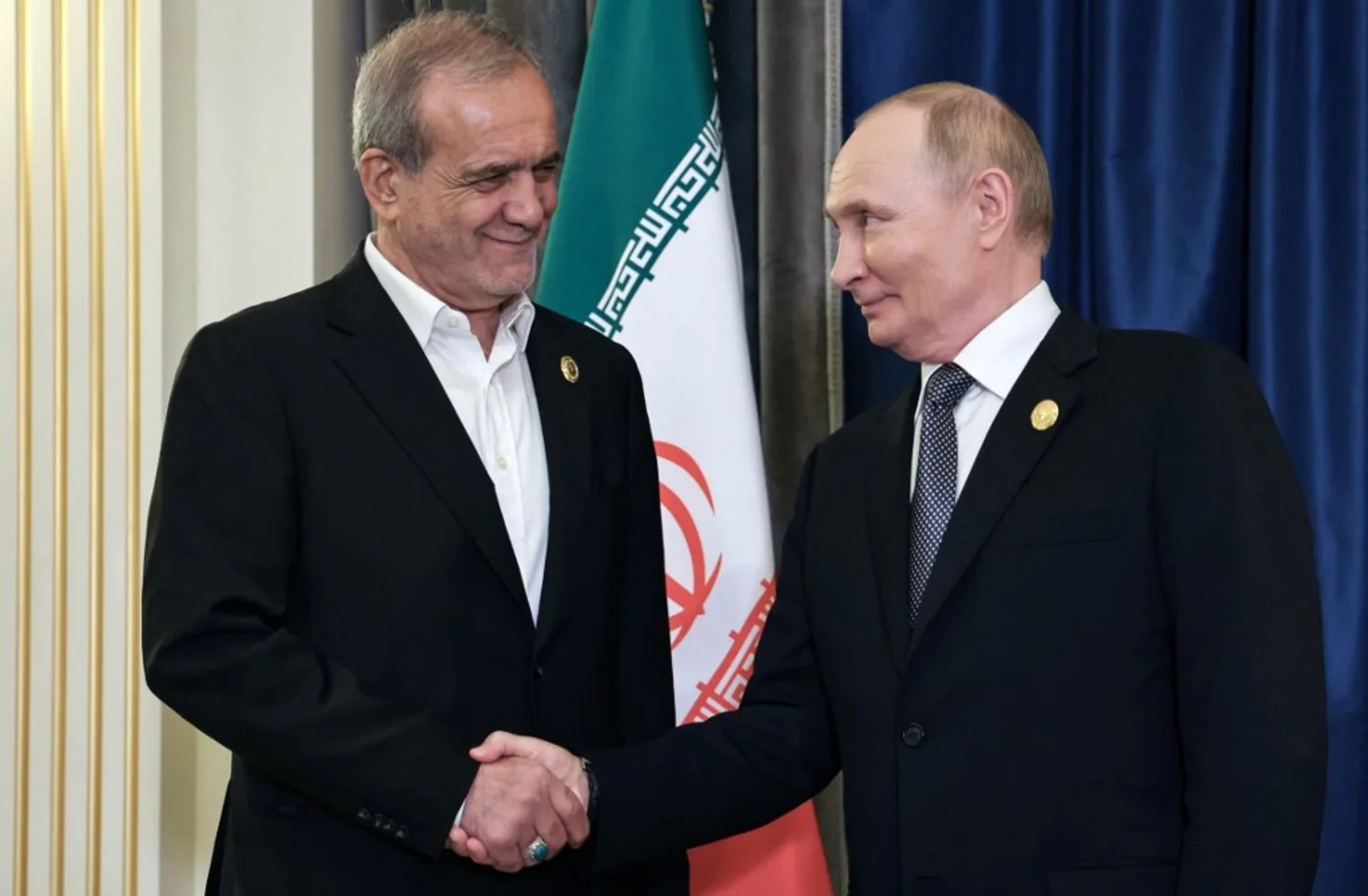
Recent diplomatic engagements between senior Iranian and Russian officials have sparked speculation about Moscow’s strategic intentions in the Middle East. Alexander Lavrentiev, Russian President Vladimir Putin’s special envoy to Syria, arrived in Tehran on Monday for high-level meetings with Iran’s foreign ministry and Supreme National Security Council. This visit follows Syrian President Ahmed al-Sharaa’s talks with Putin in Moscow just a week earlier, signaling Russia’s active role in reshaping regional dynamics. According to the Sharq daily, Moscow aims to restore strained relations between Tehran and Damascus, which have been tense since the fall of Bashar al-Assad, who now resides in exile in Russia. Russia’s mediation efforts reportedly focus on two key areas: the restoration of diplomatic ties and the future of economic cooperation between Iran and Syria. Meanwhile, Asr-e Iran reported that Moscow seeks to balance its bilateral relations with Iran while leveraging its influence in Syria to promote regional stability. However, some Iranian analysts have criticized Tehran’s growing reliance on Moscow, arguing that Russia’s pragmatic approach could undermine Iran’s interests. Abbas Abdi, a prominent political analyst, warned that Moscow would prioritize its own agenda over loyalty to Tehran. Amid these developments, Iran faces internal challenges, including a surge in executions and protests by death row inmates at Qezel Hesar Prison, who staged a hunger strike to demand an end to state killings. The strike, which lasted six days, was temporarily suspended after judicial officials pledged to halt executions. On the nuclear front, Mahmoud Reza Aghamiri, a key figure in Iran’s nuclear program, dismissed claims by U.S. President Donald Trump that the Fordow facility was destroyed during Israel’s recent attacks. Aghamiri asserted that Iran retains the technical expertise to rebuild its nuclear infrastructure and even produce a nuclear weapon if necessary. As Iran navigates these complex challenges, its deepening ties with Russia continue to fuel debates about Moscow’s role as a mediator or potential trap in shaping Tehran’s future.