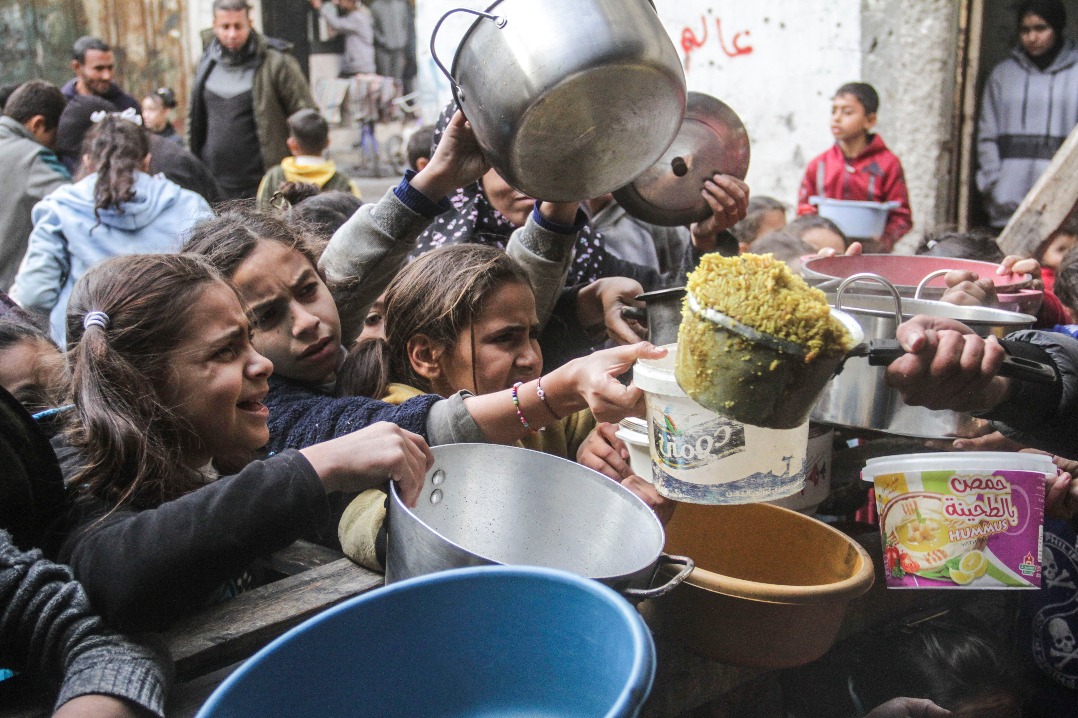
The humanitarian crisis in Gaza remains dire despite a ceasefire and an increase in aid deliveries, according to the World Health Organization (WHO). In a press briefing from its Geneva headquarters, WHO Director-General Tedros Adhanom Ghebreyesus emphasized that the situation is still catastrophic, with hunger and disease continuing to threaten lives, particularly those of children. While the ceasefire between Israel and Hamas, which took effect on October 10, has allowed for some aid to enter Gaza, the volume remains insufficient to meet the overwhelming needs. Tedros highlighted that more than 170,000 people are injured, with at least 42,000 requiring long-term rehabilitation. Additionally, an estimated one million individuals are in need of mental health care due to the psychological toll of the conflict. The healthcare system in Gaza is severely compromised, with no fully functional hospitals and only 14 out of 36 partially operational. Critical shortages of essential medicines, equipment, and healthcare workers exacerbate the crisis. Since the ceasefire, the WHO has been working to deliver more medical supplies, deploy emergency medical teams, and facilitate medical evacuations. However, 15,000 patients, including 4,000 children, still require treatment outside Gaza, and over 700 have died while awaiting evacuation. Tedros called for the reopening of the Rafah crossing and other entry points to allow more aid and patients to access Egypt. He also urged more countries to accept patients from Gaza for specialized care. Despite the ceasefire, the humanitarian needs in Gaza remain immense, and the international community must act swiftly to address the ongoing crisis.