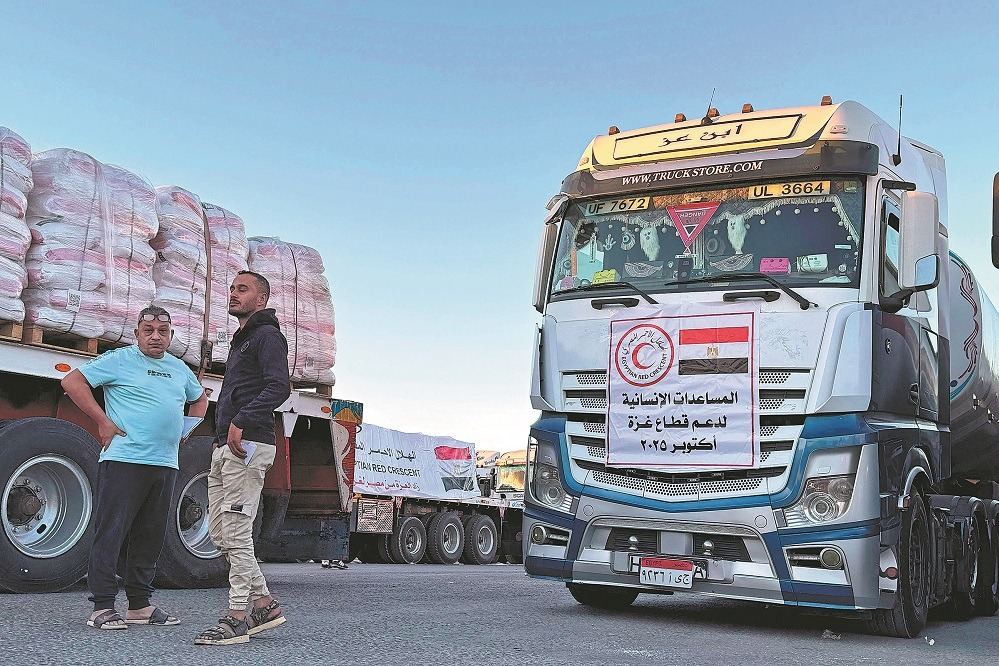
Amid a fragile ceasefire, Israel has been called upon to ensure the uninterrupted flow of humanitarian aid into Gaza, as Hamas faces significant challenges in retrieving the bodies of deceased hostages due to widespread destruction and the presence of Israeli forces across half of the territory. Reports indicate that Israel has delayed the reopening of the Rafah border crossing and drastically reduced aid deliveries, citing the slow return of approximately 20 additional hostage bodies held by Hamas. On Tuesday, Hamas transferred four more bodies, believed to be Israeli hostages, to the International Committee of the Red Cross, bringing the total to eight. However, Israel suspects one of the bodies may belong to a Palestinian. Ismail al-Thawabta, Director General of Gaza’s Government Media Office, has urged Israel to open the crossings and allow immediate aid into the enclave, emphasizing the dire need for water and other essentials. The United Nations has reiterated the necessity of opening more crossings, ensuring the sustained entry of fuel and cooking gas, and providing security guarantees for convoys. UN Deputy Spokesman Farhan Haq highlighted the ongoing efforts to scale up operations under a 60-day response plan. Meanwhile, Israeli officials have stated preparations are underway to open Rafah to Gazan citizens, with plans to send in 600 aid trucks. The ceasefire remains precarious, with both Hamas and Israel accusing each other of violations. The Red Cross has warned that recovery teams may struggle to locate some bodies due to the extensive destruction. The World Health Organization has deployed emergency medical teams and delivered essential medical supplies, while the World Food Programme has facilitated the entry of 137 trucks carrying food aid. However, tensions persist, with reports of Israeli forces allegedly killing a man in the West Bank and abducting four citizens.