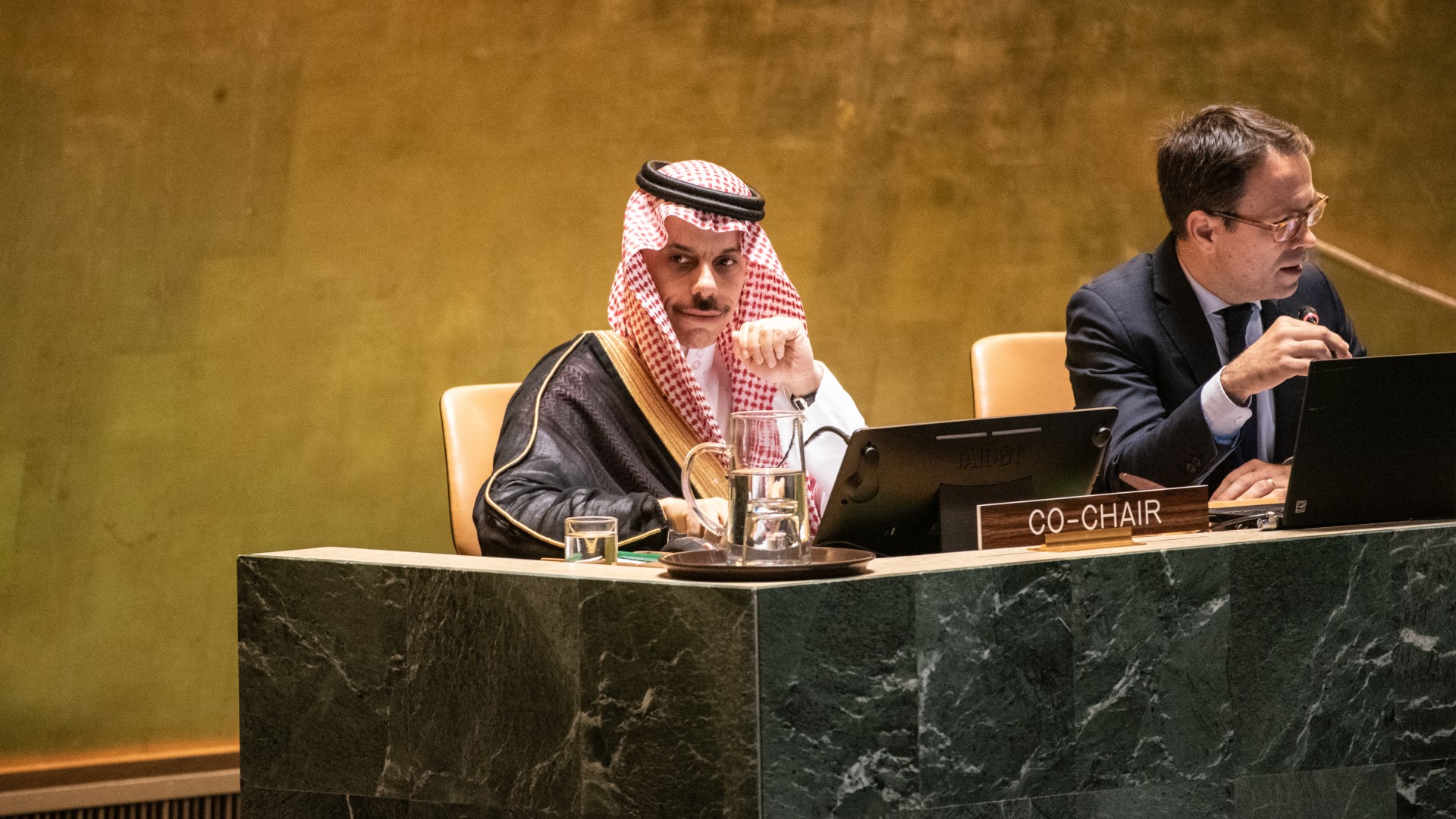
Saudi Arabia has unveiled an ambitious strategy to play a pivotal role in stabilizing post-war Gaza, as detailed in an internal foreign ministry report obtained by Middle East Eye. The kingdom’s plan focuses on disarming and marginalizing Hamas while bolstering the Palestinian Authority (PA) through financial and logistical support. Central to this vision is the deployment of an international peacekeeping mission in Gaza, with Saudi Arabia and other Arab and Muslim-majority nations expected to contribute significantly. The report emphasizes the kingdom’s commitment to fostering stability in the Palestinian territories by reforming the PA to align with Palestinian aspirations for an independent, sovereign state based on the 1967 borders, with Jerusalem as its capital. Saudi Arabia criticizes Hamas for obstructing peace efforts and deepening divisions, advocating for its sidelining through progressive disarmament and international agreements. The kingdom also aims to enhance the PA’s governance by combating corruption, improving efficiency, and ensuring broader representation of Palestinian factions. Financial and technical support will be provided to help the PA deliver essential services, though specific funding details remain undisclosed. The plan includes organizing regional workshops and conferences to facilitate Palestinian national dialogue and integrate factions under the PA’s umbrella. Notably, the document does not mention Israel or specify whether Hamas will be included in these efforts. The report, dated September 29, aligns with Saudi Foreign Minister Prince Faisal bin Farhan’s call at the UN General Assembly for immediate international action to halt the conflict in Gaza. Earlier efforts by Saudi Arabia and France to broker a settlement included proposals for an international security force and Israeli-Palestinian dialogue. While the U.S.-brokered ceasefire in October incorporated some elements of this plan, Saudi Arabia and the UAE expressed dissatisfaction with their limited roles. As the region’s wealthiest states, they are expected to fund much of Gaza’s humanitarian relief and reconstruction. Meanwhile, U.S. efforts to normalize Saudi-Israeli relations face resistance, with Israeli Finance Minister Bezalel Smotrich rejecting any deal contingent on the establishment of a Palestinian state.
Saudi Arabia sees role in Gaza as sidelining Hamas and funding PA, document reveals