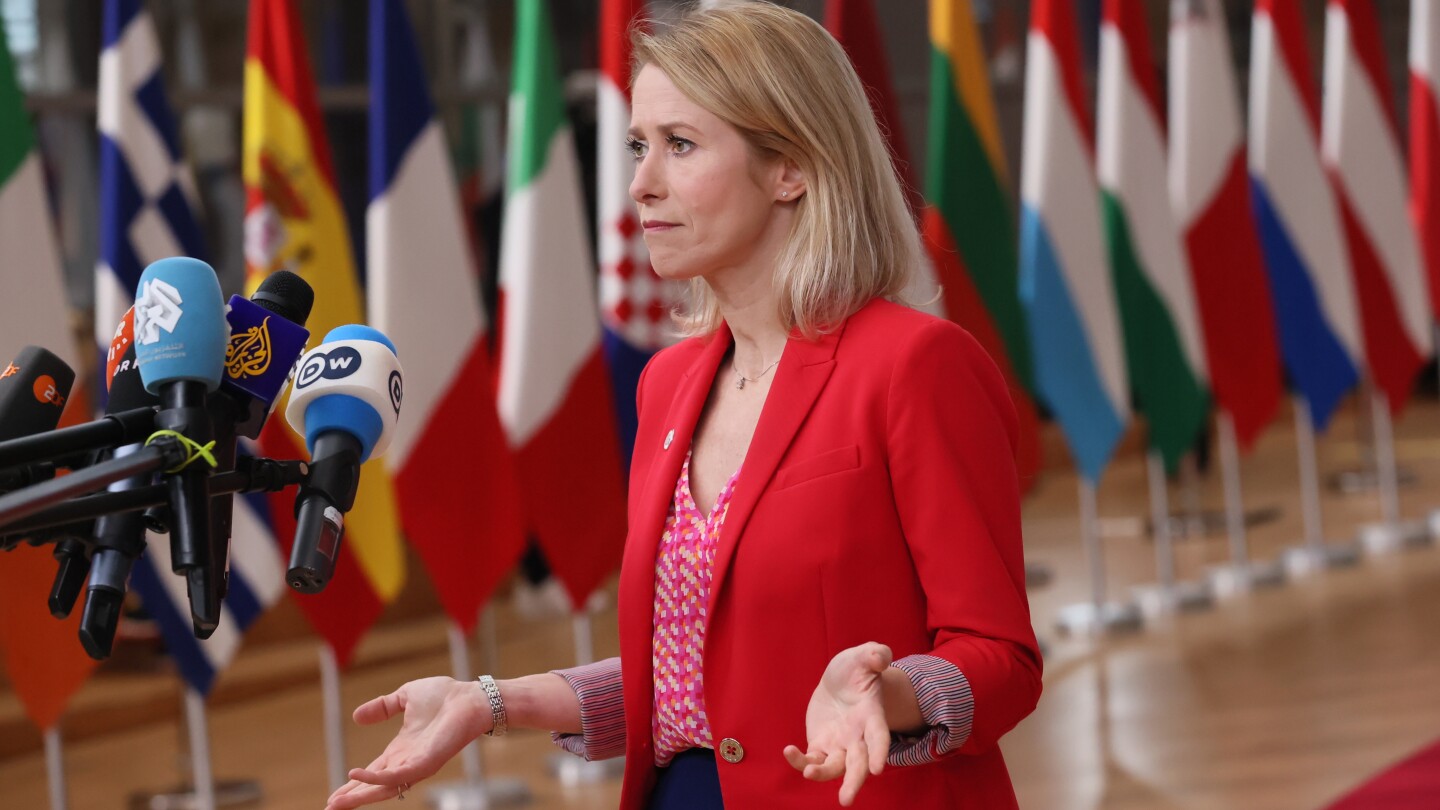
In a bid to assert its influence in the ongoing Israeli-Palestinian conflict, European Union leaders are pushing for a more active role in Gaza and the occupied West Bank. This move comes after the EU was largely excluded from the U.S.-mediated ceasefire between Israel and Hamas. During a summit in Brussels, primarily focused on the Ukraine crisis, EU heads of state also turned their attention to the fragile truce in Gaza, discussing potential measures to support stability in the war-torn region. The EU, being the largest aid provider to Palestinians and Israel’s top trading partner, aims to leverage its position to foster lasting peace. Luxembourg Prime Minister Luc Frieden emphasized the importance of European involvement, stating, ‘Gaza is not over; peace is not yet permanent.’ The conflict has deeply divided the 27-nation bloc and strained EU-Israel relations to historic lows. European Commission President Ursula von der Leyen had previously proposed sanctions and a partial trade suspension against Israel to pressure a peace deal, though momentum waned following the U.S.-brokered ceasefire. However, EU officials argue these measures remain relevant as violence persists in Gaza and the West Bank. Israeli Prime Minister Benjamin Netanyahu recently dismissed Europe’s relevance, calling it ‘essentially irrelevant and displaying enormous weakness.’ Despite this, the EU is working to integrate itself into the post-ceasefire diplomatic efforts. EU foreign policy chief Kaja Kallas stressed the bloc should not only fund stability but also actively participate in reconstruction. The EU has supported the Palestinian Authority, pledged humanitarian aid, and proposed extending a West Bank police support program to Gaza to bolster a stabilization force outlined in the ceasefire plan. Additionally, the EU is seeking membership in the ceasefire’s ‘Board of Peace’ oversight body. The European Border Assistance Mission in Rafah, operational since 2005, has also played a role, aiding thousands of individuals during the ceasefire before pausing operations when hostilities resumed.