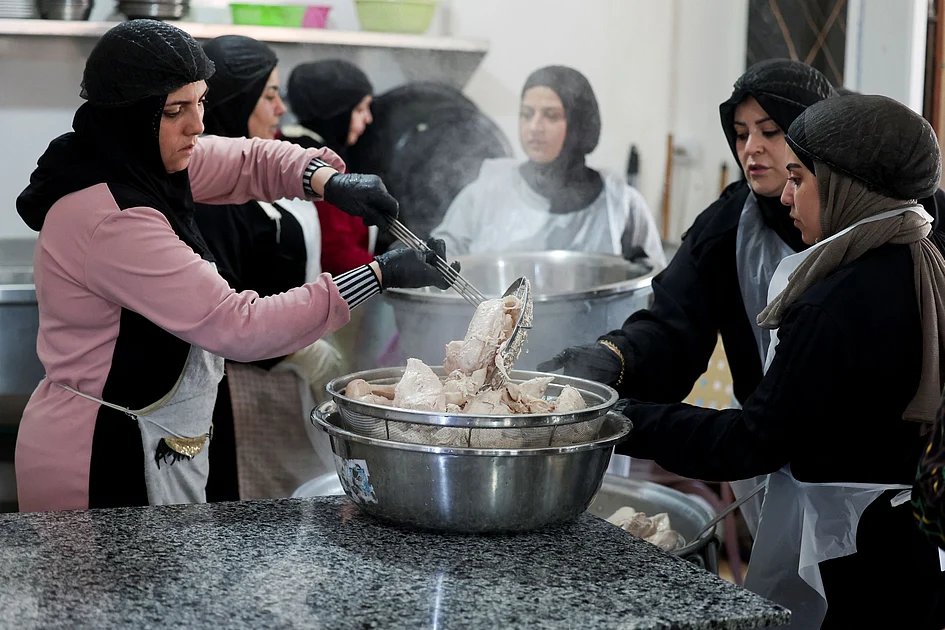
Nearly a year after a U.S.-brokered ceasefire was intended to restore peace along Lebanon’s southern border with Israel, tens of thousands of displaced residents remain unable to return to their homes. Despite the truce, Israeli strikes continue to devastate the region, hindering reconstruction efforts and leaving communities in limbo. Among those affected is Zeinab Mehdi, a 50-year-old farmer from Naqoura, who fled her home during the conflict between Israel and Hezbollah. Mehdi, like many others, had hoped the ceasefire would allow her to return safely, but ongoing strikes and destruction have dashed those hopes. Satellite imagery reviewed by Reuters reveals extensive damage to structures in Naqoura and Houla, with buildings flattened months after the truce took effect. Israel claims its strikes target Hezbollah’s military activities, while Lebanese officials and rights groups accuse Israel of deliberately preventing civilians from returning. The International Organization for Migration reports that over 64,000 people remain displaced, with some living in schools in Tyre. Community initiatives, such as Mounifa Aidibeh’s Mhanna kitchen, provide meals for the displaced, but the lack of security and ongoing strikes underscore the persistent state of war. Reconstruction efforts remain stalled, with the World Bank estimating Lebanon needs $11 billion to rebuild. However, international donors have yet to convene, and some countries link recovery funds to progress in disarming Hezbollah. For residents like Bidaya Sleiman, who lost her home in Houla, the priority is not compensation but security. ‘The war never ended,’ Aidibeh said. ‘It will end when Israel leaves Lebanon completely.’