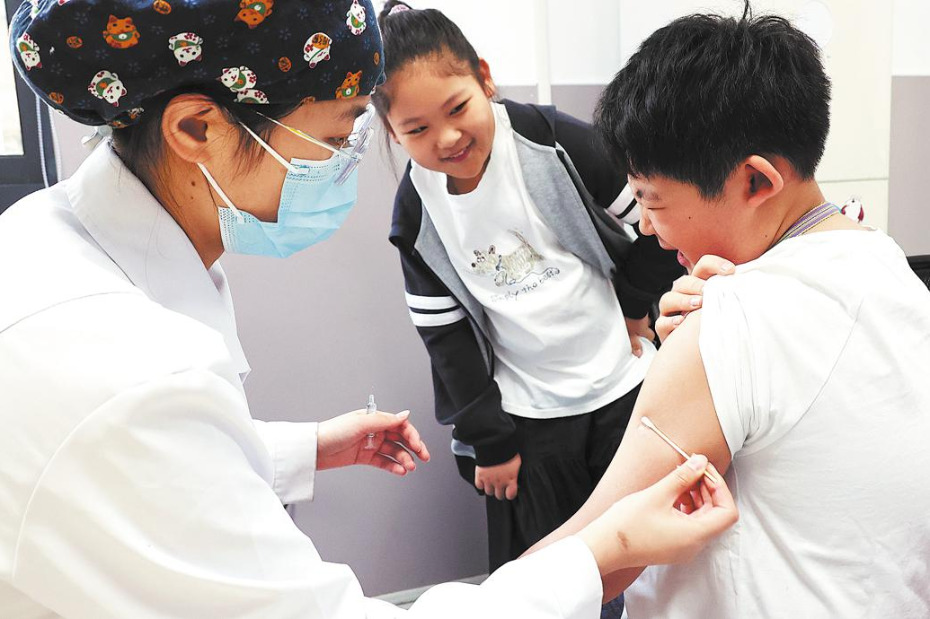
Health authorities in China are bracing for an earlier-than-usual flu season this winter, driven by a different strain from last year’s dominant virus. Experts are urging the public, particularly high-risk groups, to get vaccinated promptly to mitigate the potential impact. The Chinese Center for Disease Control and Prevention (CDC) reports a rise in flu activity in southern China, while northern regions remain relatively unaffected. Typically, flu season peaks between late November and February, but this year’s outbreak is expected to arrive sooner, mirroring trends observed in several Asian and European countries. Dr. Li Tongzeng, chief physician of the infectious disease department at Beijing You’an Hospital, highlighted that Japan declared the start of its flu season on October 3, five weeks earlier than usual. Similarly, South Korea issued a nationwide flu advisory on October 17, two months ahead of last year’s timeline. Europe is also experiencing a surge, with the UK, Italy, and Germany reporting increased flu cases. The H3N2 strain of influenza A, which dominated recent outbreaks in Australia, New Zealand, and Europe, accounts for over 90% of flu samples tested in China from October 6 to 12. Dr. Li warned that since last year’s primary strain was H1N1, the public may have reduced immunity to H3N2, necessitating heightened precautions. The H1N1, H3N2, and influenza B strains are the main culprits behind seasonal flu epidemics, causing symptoms like fever, cough, sore throat, fatigue, and headache. Dr. Li advises the public to get vaccinated promptly, stock essential medications, and seek early testing and antiviral treatment if symptoms arise. Jiang Jianmin, a researcher at the Zhejiang Provincial CDC, emphasized that individuals aged 60 and above, those with chronic illnesses, and infants over six months old are priority groups for vaccination. Healthcare workers, nursing home staff, and caregivers of infants under six months are also urged to get vaccinated. The early flu surge underscores the importance of proactive measures to curb the spread and protect vulnerable populations.