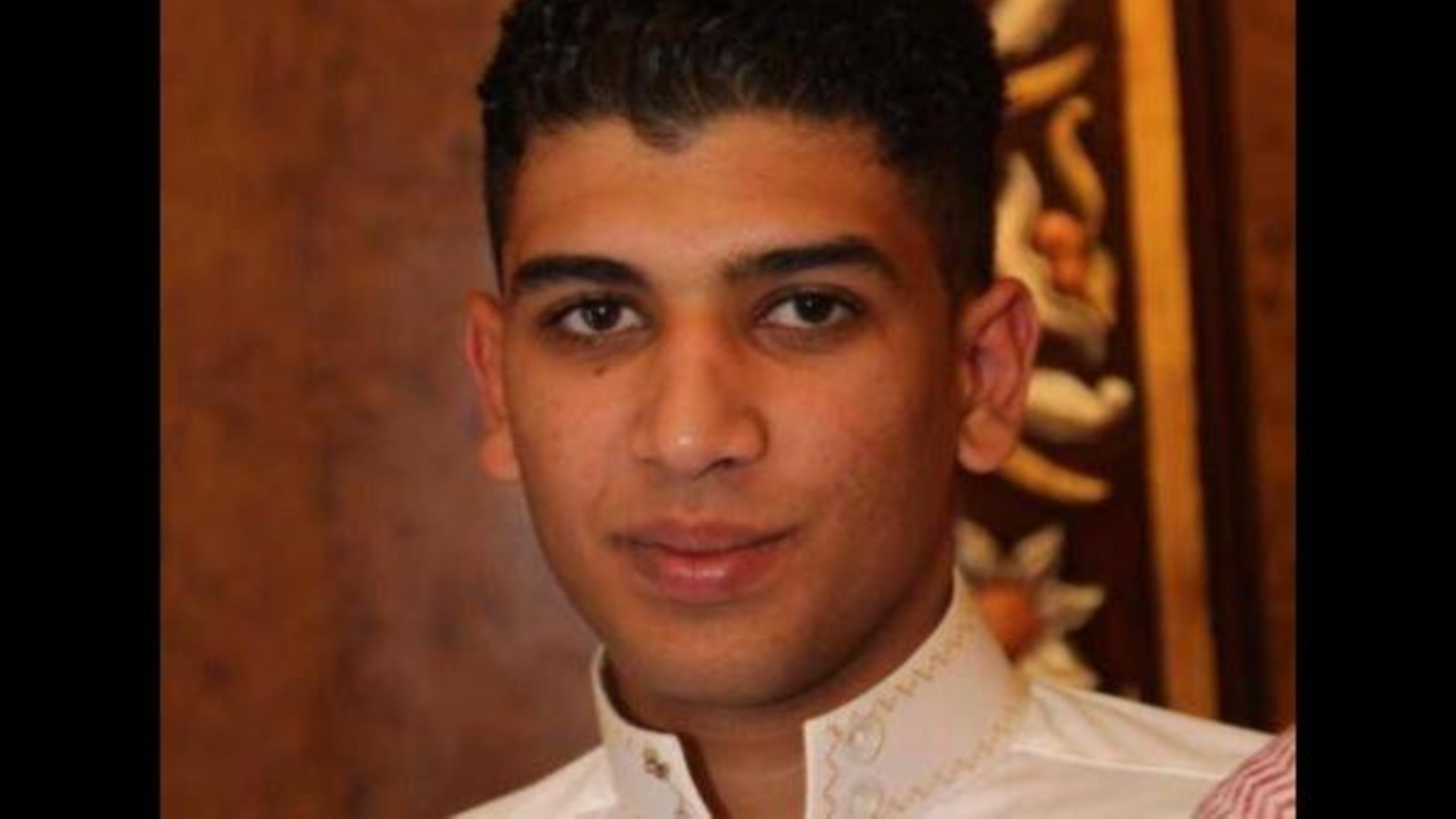
Saudi Arabia has once again drawn international condemnation after executing Abdullah al-Derazi, a man who was a minor at the time of the alleged crimes he committed. Derazi’s execution on Monday marks the second such case in two months, following the execution of Jalal Labbad in August. Both cases highlight Saudi Arabia’s ongoing violation of international human rights laws, including the UN Convention on the Rights of the Child, which prohibits the death penalty for individuals under 18 at the time of their offenses. Derazi was arrested in 2014 during protests against the treatment of Saudi Arabia’s Shia minority. He was accused of targeting security personnel and throwing Molotov cocktails. After a trial in 2018, he was sentenced to death. Rights groups have criticized the trial as unfair and secretive, with Derazi allegedly subjected to torture and forced confessions. His family was denied the opportunity to bid him farewell and only learned of his execution through media reports. Despite a 2020 royal order pledging to end the death penalty for juvenile offenders, Saudi Arabia has continued to execute individuals who committed crimes as minors. Alqst, a UK-based rights group, has identified at least five other child offenders at imminent risk of execution. The kingdom’s execution rate has surged, with 302 executions recorded so far in 2025, a 30% increase compared to the same period in 2024. Many of these executions involve non-lethal drug offenses and vague terrorism charges, potentially violating international law, which restricts the death penalty to the most serious crimes involving intentional killings. Nadyeen Abdulaziz of Alqst stated, ‘With Derazi’s execution, Saudi authorities lay bare the emptiness of their reform claims and their chilling disregard for international law.’