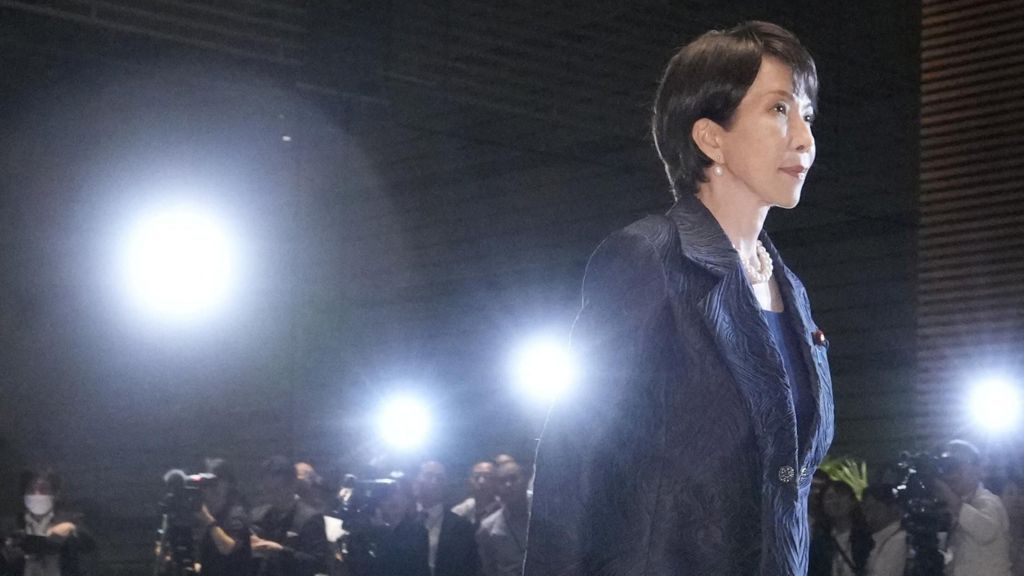
Sanae Takaichi’s ascension to the role of Japan’s first female prime minister marks a historic milestone in a nation long dominated by male leadership. For many young girls, her rise symbolizes a potential shift in societal norms, yet critics argue that her conservative policies may reinforce rather than challenge the patriarchal system. Takaichi, often compared to Britain’s Margaret Thatcher, has consistently opposed progressive measures such as same-sex marriage, separate surnames for married couples, and female succession in the imperial family. Her leadership is seen by some as a strategic move by the ruling Liberal Democratic Party (LDP) to appeal to its conservative base. Despite her historic achievement, Takaichi’s policies align closely with traditional gender roles, raising questions about her commitment to advancing women’s rights. Japan’s gender gap remains stark, ranking 118th globally in gender equality, with women holding only 15.7% of parliamentary seats. While some view her rise as a pivotal moment for women’s empowerment, others caution against celebrating her leadership without scrutinizing her policies. As Takaichi navigates economic challenges and prepares to host President Trump, gender equality appears unlikely to top her agenda.