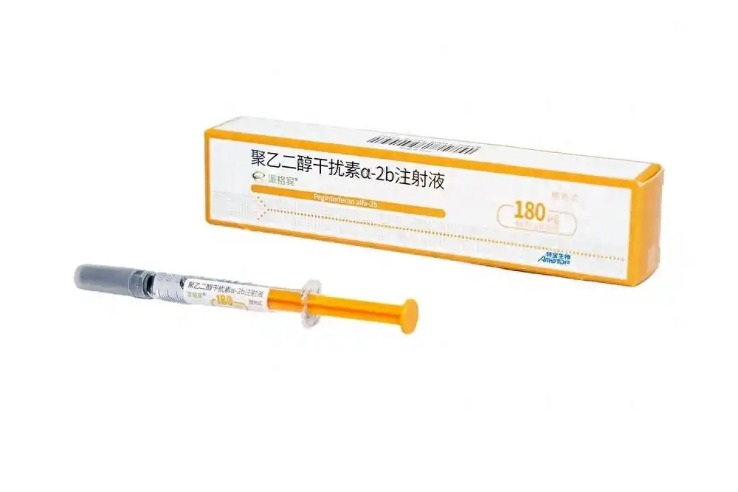
China has made a groundbreaking advancement in the global fight against hepatitis B by approving the world’s first domestically developed drug designed to achieve a functional cure for the chronic liver infection. The drug, named Pegbing, was developed by Amoytop Biotech, a company based in Xiamen, Fujian province. According to a recent notice from the National Medical Products Administration, Pegbing is approved for use in combination with antiviral medication to achieve sustained clearance of the hepatitis B surface antigen in adults with chronic hepatitis B. This approval marks the first time a drug aimed at achieving a functional cure for hepatitis B has received market authorization globally, heralding a new era in the battle against the viral infection. Hepatitis B affects approximately 254 million people worldwide and is responsible for over 1 million deaths annually. In China alone, there are about 75 million chronic hepatitis B patients. A functional cure for hepatitis B is defined as the sustained loss of the hepatitis B surface antigen after treatment ends, contrasting with conventional therapies that suppress viral replication but do not eliminate the virus entirely. Data from the Chinese Foundation for Hepatitis Prevention and Control indicates that more than 92 percent of liver cancer cases in China are caused by hepatitis B infection. The incidence of liver cancer can be reduced to 10.7 percent among patients receiving antiviral treatment, compared with nearly 15 percent among those who do not. For those who achieve a clinical cure, the rate drops to just 1 percent. ‘Such a significant difference underscores the critical importance of achieving clinical cure for hepatitis B patients,’ the foundation stated. In a clinical trial evaluating the efficacy and safety of Pegbing combined with antiviral treatment, 31.4 percent of patients achieved a clinical cure 24 weeks after discontinuing all medications, a rate significantly higher than that observed in patients following conventional treatment regimens. According to an action plan released last month by the National Disease Control and Prevention Administration and eight other government departments, China aims to raise the antiviral treatment rate for newly reported cases to at least 80 percent by 2030. The plan also emphasized intensified efforts in innovative drug research and development and the exploration of new solutions for the functional cure of hepatitis B.