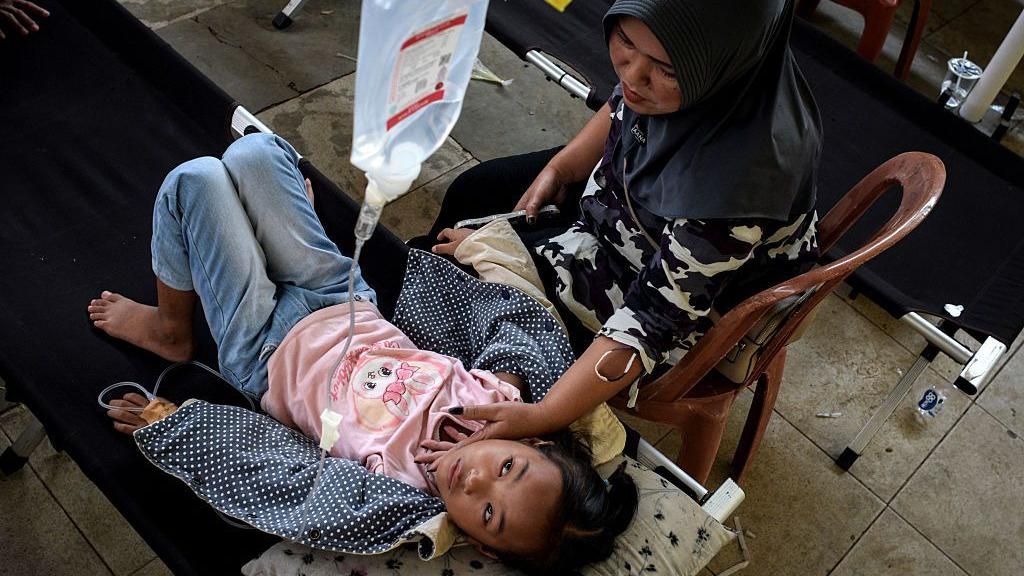
When Prabowo Subianto campaigned for Indonesia’s presidency, he promised transformative economic growth and significant social reforms. However, his first year in office has been marked by unmet expectations and growing public discontent. Despite steady annual growth of around 5%, Indonesia faces mounting pressures from slowing global demand, rising living costs, and regional competition from countries like Vietnam and Malaysia. These challenges have been exacerbated by widespread protests against corruption, inequality, and budget cuts in healthcare and education. Prabowo’s flagship free school meals program, aimed at addressing child malnutrition and improving education, has come under scrutiny following reports of mass food poisoning affecting over 9,000 children. Critics argue that the program, which costs $28 billion annually, is straining public resources and failing to deliver its intended benefits. Analysts warn that these issues highlight broader problems in public spending and oversight, pointing to deeper strains in Indonesia’s $1.4 trillion economy. Prabowo’s ambitious growth target of 8% by 2029 is seen as increasingly unrealistic, with economists citing falling car sales, shrinking foreign investment, and layoffs as signs of economic weakening. The abrupt dismissal of respected former finance minister Sri Mulyani Indrawati has further rattled investors, raising concerns about the government’s ability to manage public finances effectively. Despite these challenges, Indonesia continues to seek new trade partnerships, recently signing a long-negotiated deal with the European Union. However, the country’s ability to attract foreign investment and create jobs remains a critical issue, particularly in industries like manufacturing that have driven growth in neighboring countries. As Prabowo’s administration grapples with these economic hurdles, the future of Indonesia’s economy hangs in the balance.