In a significant development, the Taliban-led government of Afghanistan and Pakistan have reached an ‘immediate ceasefire’ agreement following over a week of intense and deadly clashes along their shared border. The truce was brokered through mediation efforts by Qatar and Turkey, with both nations committing to establish mechanisms aimed at fostering long-term peace and stability. Zabihullah Mujahid, a Taliban spokesperson, emphasized the importance of ending ‘hostile actions,’ while Pakistan’s Foreign Minister hailed the agreement as a ‘first step in the right direction.’
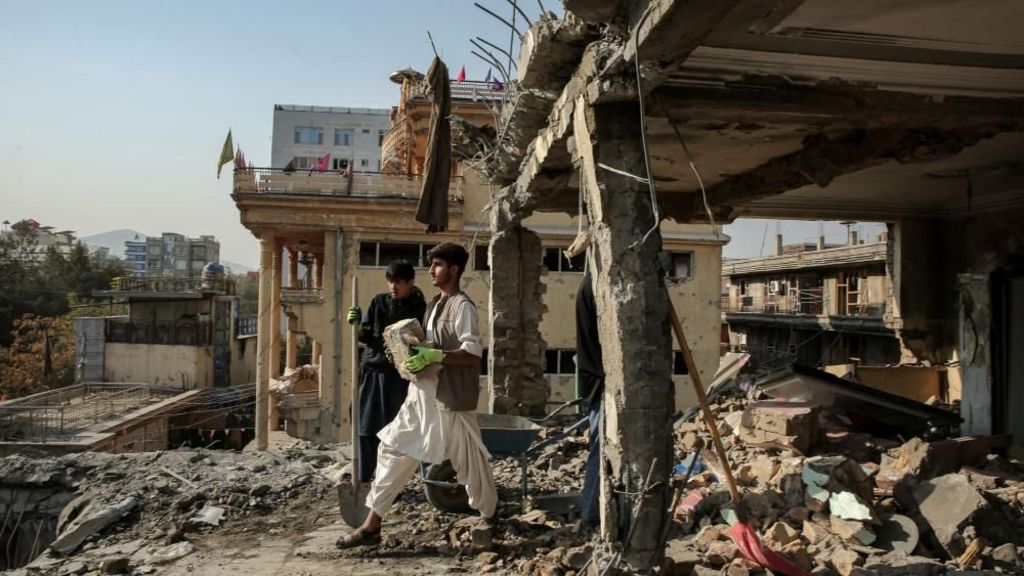
The recent conflict, the most severe since the Taliban regained power in 2021, saw both sides claiming heavy casualties. Pakistan has long accused the Taliban of sheltering armed groups responsible for attacks on its soil, a charge the Taliban denies. Tensions escalated after the Taliban alleged that Pakistan carried out attacks on Kabul, the Afghan capital. Rumors suggested the strikes targeted Noor Wali Mehsud, leader of the Pakistan Taliban, but a voice note purportedly from Mehsud dismissed these claims.
In the ensuing days, Afghan forces targeted Pakistani border posts, prompting retaliatory mortar fire and drone strikes from Pakistan. The United Nations Assistance Mission in Afghanistan reported at least three dozen civilian deaths and hundreds injured. Despite a temporary truce declared during talks in Doha, cross-border strikes persisted, culminating in a Pakistani air strike that killed eight, including three local cricket players.
Under the new agreement, the Taliban pledged not to support groups attacking Pakistan, and both sides agreed to avoid targeting each other’s security forces, civilians, or critical infrastructure. Pakistan’s Defense Minister, Khawaja Asif, stated that the ceasefire would halt ‘terrorism from Afghanistan on Pakistan’s soil,’ with further talks scheduled in Istanbul next week.
The relationship between Pakistan and the Taliban has been fraught since the latter’s return to power. Pakistan, once a key supporter of the Taliban, has accused the group of harboring the Pakistan Taliban, which has launched over 600 attacks on Pakistani forces in the past year, according to the Armed Conflict Location & Event Data Project. This ceasefire marks a critical, albeit fragile, step toward de-escalation in a region long plagued by instability.