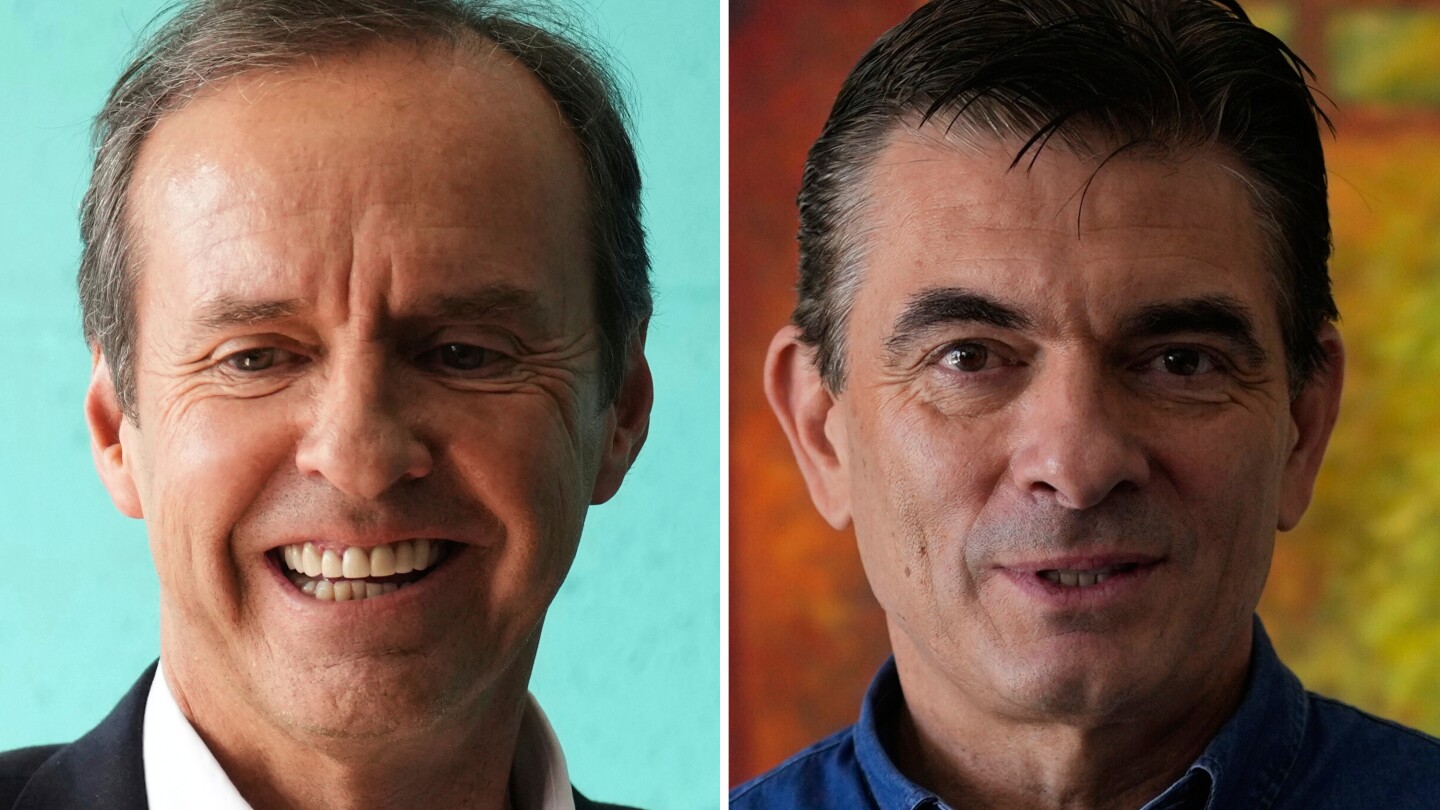
Bolivia is set to hold a crucial runoff presidential election on Sunday, with voters poised to choose between two conservative candidates who promise to steer the country away from nearly two decades of socialist rule under the Movement Toward Socialism (MAS) party. The election comes at a time when Bolivia is grappling with a severe economic crisis marked by a U.S. dollar shortage, skyrocketing inflation, and fuel shortages. The value of the boliviano has plummeted on the black market, and year-on-year inflation has surged to 23%, the highest since 1991. Both candidates, right-wing former President Jorge ‘Tuto’ Quiroga and centrist senator Rodrigo Paz, have positioned themselves as agents of change, vowing to dismantle the populist policies that have dominated Bolivia since Evo Morales, the country’s first Indigenous president, took office in 2006. Quiroga advocates for immediate economic reforms, including a rescue package from the International Monetary Fund (IMF) and drastic cuts in state spending. Paz, on the other hand, favors a more gradual approach, promising to phase out fuel subsidies while maintaining social protections for the poor. The election is compulsory, with approximately 7.9 million Bolivians eligible to vote. The outcome will not only determine Bolivia’s economic future but also signal a significant geopolitical shift, potentially moving the country closer to the United States and away from its current allies, China and Russia.
Bolivia heads to the polls in a tight runoff as voters seek a president to lift them from crisis