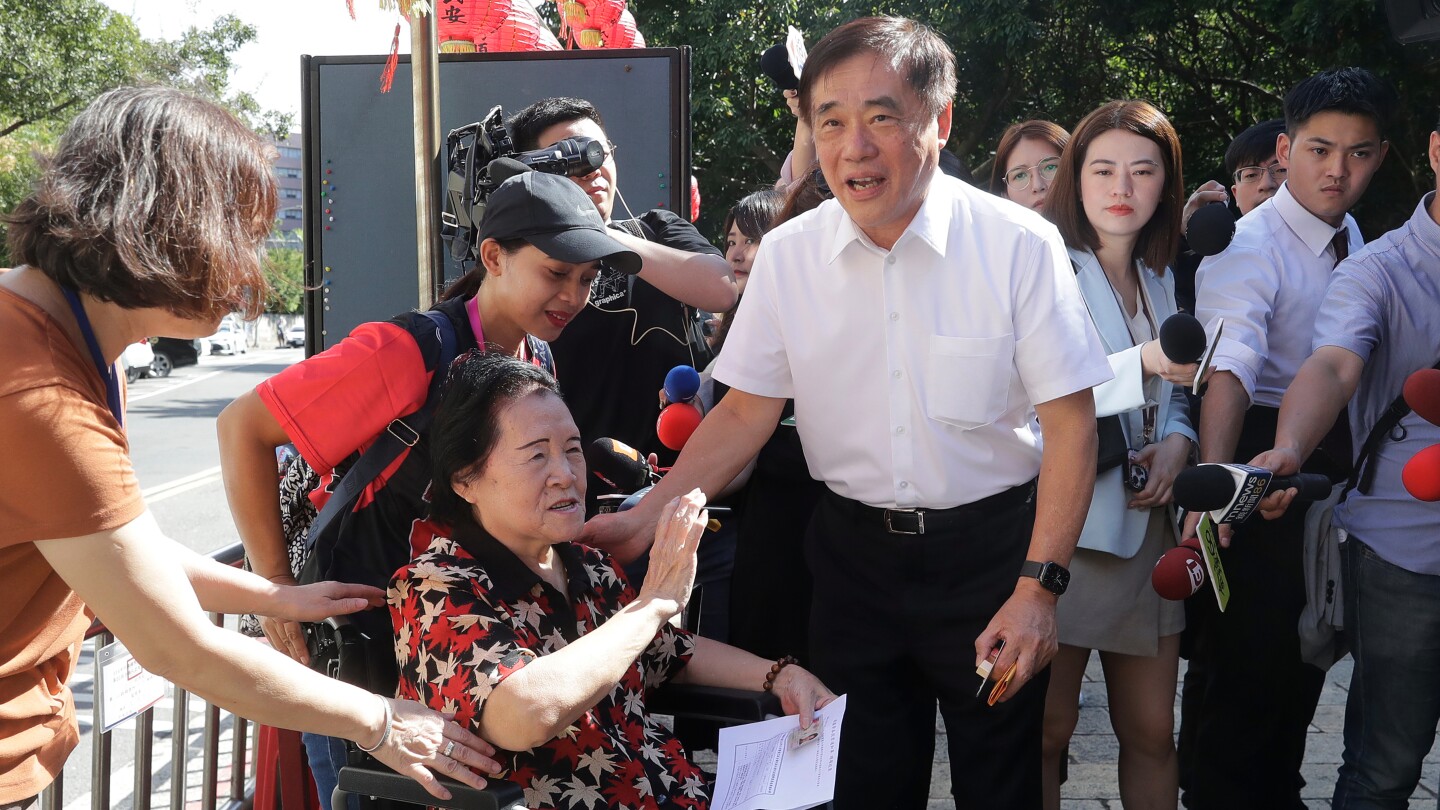
In a pivotal leadership election marred by accusations of external interference, Taiwan’s primary opposition party, the Nationalist Party (KMT), has chosen former lawmaker Cheng Li-wun as its new chairperson. Cheng, the sole female candidate in the race, secured a decisive victory over former Taipei Mayor Hau Lung-bin and four other contenders. Positioning herself as a reformist, Cheng aims to rejuvenate the party, which has suffered three consecutive presidential election defeats to the ruling Democratic Progressive Party (DPP), known for its pro-independence stance. Despite these losses, the KMT retains significant political influence, holding a legislative majority with its allies and surviving recent recall elections triggered by controversial legislative changes perceived as favoring China. Cheng’s leadership, set to begin in November, is expected to shape Taiwan’s approach to cross-strait relations with Beijing, domestic policies, and the 2026 local and 2028 presidential elections. During her campaign, Cheng vowed to transform the KMT from a passive “flock of sheep” into a dynamic “pride of lions,” emphasizing the need to reconnect with younger voters. The election unfolded against a backdrop of heightened tensions between Taiwan and China, with Beijing accusing incumbent President Lai Ching-te of separatism and threatening military action if necessary. Allegations of Chinese interference in the KMT election emerged, with reports of over 1,000 TikTok videos and 23 YouTube accounts discussing the race, many based outside Taiwan. Cheng has called for party unity, warning that internal divisions could weaken the KMT. China’s Taiwan Affairs Office dismissed the allegations, stating that the election was an internal KMT matter and that online opinions from mainland users do not reflect official government positions. Historically, the KMT has maintained warmer ties with Beijing, a stance that supporters argue benefits Taiwan’s stability and economy, while critics caution against Beijing’s growing influence. The party’s roots trace back to its rise under Chiang Kai-shek in 1920s China, before retreating to Taiwan after the Communist victory in 1949. Taiwan’s transition to multiparty democracy began in the 1980s, culminating in its first direct presidential election in 1996.
Taiwan’s main opposition party elects new leader in a race clouded by claims of China meddling