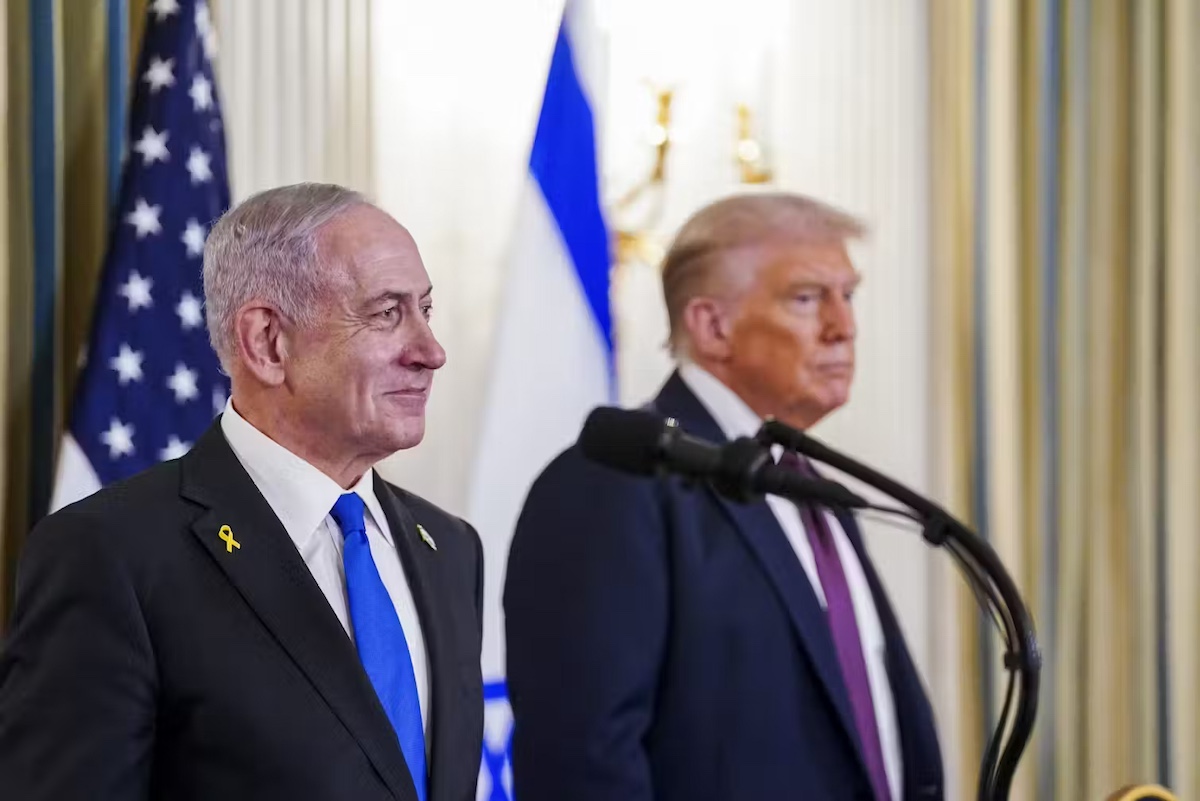
As a ceasefire takes hold in Gaza, Israeli Prime Minister Benjamin Netanyahu faces a critical juncture in his political career. With national elections mandated within the next year, Netanyahu must strategize his campaign amidst a complex political landscape. The recent Knesset meeting on October 13 saw Netanyahu and opposition leader Yair Lapid delivering speeches that effectively launched their election campaigns. Netanyahu portrayed himself as a war victor, while Lapid underscored the liberal values enshrined in Israel’s declaration of independence. U.S. President Donald Trump, addressing Israeli lawmakers, praised Netanyahu but cautioned that Israel cannot fight the world alone. This warning followed Netanyahu’s diplomatic misstep in attacking Qatar, where Hamas representatives were discussing peace plans, leading to a forced apology and pressure to endorse Trump’s 20-point peace plan, which includes Palestinian statehood—a contentious issue for Netanyahu’s base. Middle Eastern affairs expert Shira Efron argues that the Gaza deal signifies a defeat for Netanyahu’s government, contradicting his promise of total victory over Hamas. However, Netanyahu’s political acumen, demonstrated by his ability to turn challenges into opportunities, suggests he may yet leverage the situation to his advantage. Opinion polls indicate that while Netanyahu’s Likud party remains strong, his ruling coalition may struggle to retain power. The opposition, though fragmented, has begun coordinating more effectively. The election will occur against the backdrop of post-October 7 trauma and war fatigue, with civil society movements like the Hostages and Missing Family Forum potentially influencing voter behavior. The success of Trump’s peace plan and the decommissioning of Hamas will also play pivotal roles in shaping Netanyahu’s reelection prospects.