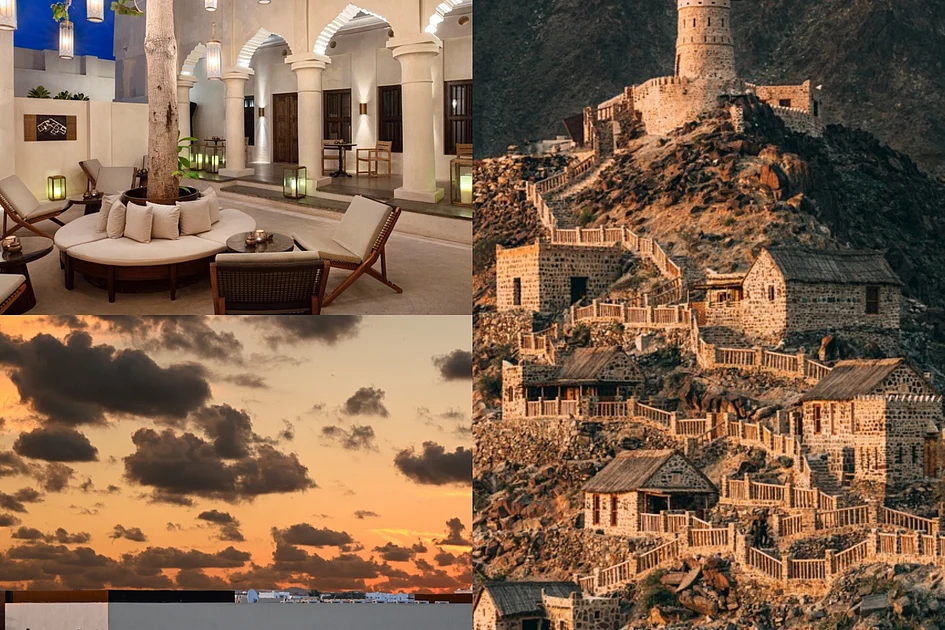
In a world increasingly dominated by rapid modernization, Sharjah is taking a distinctive approach by prioritizing heritage preservation as a cornerstone of sustainable development. Across the emirate, historic buildings, traditional souqs, and entire neighborhoods are being meticulously restored, transforming them into vibrant cultural and economic hubs that honor the past while embracing the future. These efforts span from the bustling Heart of Sharjah district to remote mountain villages and desert outposts, showcasing a commitment to preserving architectural and cultural identity. Restoration teams are using original materials such as clay, coral stone, gypsum, and wood to breathe new life into structures dating back over a century. This ambitious initiative has positioned Sharjah as a regional leader in heritage conservation, with UNESCO highlighting the economic benefits of cultural heritage sites, which stimulate local economies through tourism and job creation. While restoring heritage buildings can cost 30 to 50 percent more than modern construction, the long-term cultural and economic returns are proving substantial. Key projects include the Heart of Sharjah, a massive historical restoration project revitalizing traditional souqs and centuries-old homes; The Chedi Al Bait, a luxury hotel housed in restored historic homes; Najd Al Meqsar, a mountain heritage retreat; and Al Faya Retreat, a desert lodge housed in a restored 1960s clinic and petrol station. These projects reflect Sharjah’s philosophy of viewing cultural identity as a living, evolving element of sustainable development, ensuring that the emirate’s rich history continues to inspire future generations.
Look: Sharjah projects breathe life into ancient buildings to preserve heritage