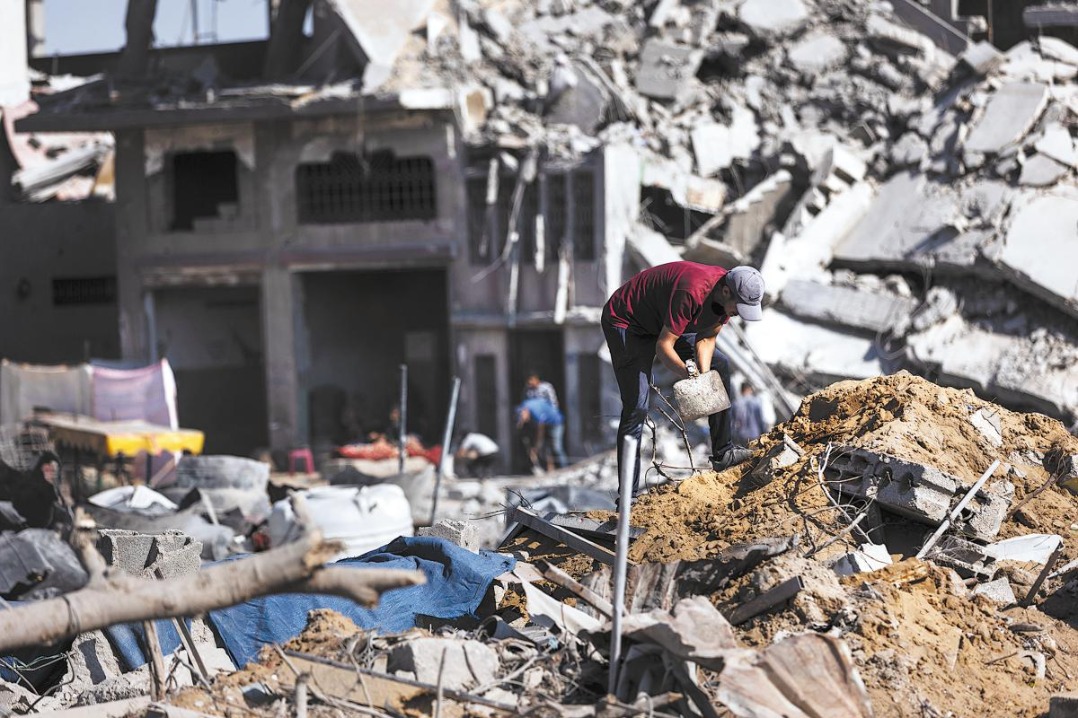
The Palestinian Prime Minister, Mohammad Mustafa, has announced a comprehensive three-phase recovery and reconstruction plan for Gaza, with an estimated cost of $67 billion over five years. The plan was unveiled during a meeting with international partners in Ramallah, West Bank, on Thursday. This initiative aligns with the Gaza Recovery, Reconstruction & Development Plan adopted at the Extraordinary Arab Summit in Cairo in March 2025 and is consistent with United Nations resolutions and the New York Declaration.
The first phase, lasting six months, will address urgent humanitarian and infrastructure needs at a cost of $3.5 billion. The second phase, spanning three years, will require $30 billion, while the final phase will focus on long-term recovery and reconstruction. Mustafa emphasized that the reconstruction must be ‘Palestinian-led, Arab-backed, and internationally supported,’ aiming to restore hope, dignity, and stability for Gaza’s people.
However, the plan faces significant challenges. Israel opposes any role for the Palestinian Authority or Hamas in governing Gaza following the two-year conflict, which has resulted in 68,000 Palestinian deaths, over 170,000 injuries, and widespread destruction. The Israel-Hamas ceasefire, which took effect on October 10, includes Israeli troop withdrawals, hostage and prisoner exchanges, and the opening of aid crossings. Despite progress, tensions remain high. Israel continues to station troops in half of Gaza and has linked the return of deceased hostages to humanitarian aid deliveries.
Meanwhile, Hamas has accused Israel of violating the ceasefire by killing at least 24 people since October 10. The group has submitted a list of alleged violations to mediators. US President Donald Trump has also escalated tensions, threatening military action against Hamas if it continues to carry out executions in Gaza. Aid trucks from Egypt remain stalled at the Rafah crossing, with Israel providing no clear timeline for their entry.
The international community is closely monitoring the situation as negotiations for the second phase of the ceasefire are expected to begin soon. The outcome will significantly impact the future of Gaza and the broader Israeli-Palestinian conflict.