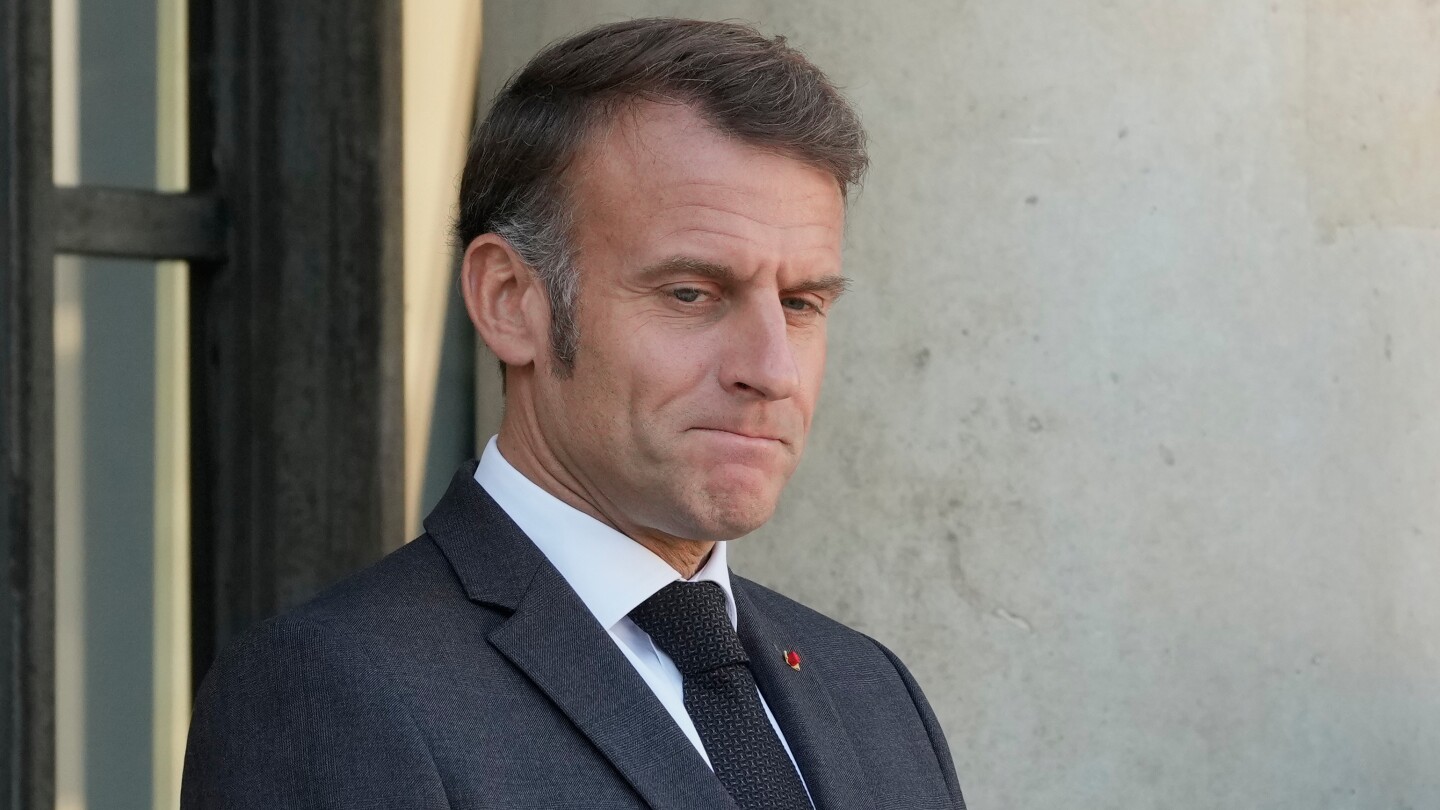
France, the world’s seventh-largest economy and a cornerstone of the European Union, is grappling with a severe fiscal crisis. Despite its industrial prowess, the nation faces mounting debt, political gridlock, and rising borrowing costs, raising concerns about its financial stability and broader implications for Europe and the global economy.
**The Roots of the Crisis**
France’s fiscal woes stem from a combination of long-standing structural issues and recent external shocks. The country last balanced its budget in 1973, relying on robust economic growth to sustain its generous welfare state and worker protections. However, accumulated debt has soared, exceeding 90% of GDP since 2008. The COVID-19 pandemic and the subsequent energy crisis triggered by Russia’s invasion of Ukraine exacerbated the situation. The government’s heavy spending on subsidies to support businesses and households during these crises pushed debt to 114% of GDP in 2023, with the annual deficit ballooning to 5.8%, far above the EU’s 3% limit.
**Political Paralysis and Economic Uncertainty**
President Emmanuel Macron’s government is hamstrung by a deeply divided parliament, resulting from snap elections called in 2022. With no political faction holding a majority, consensus on deficit reduction measures—whether through tax hikes or spending cuts—remains elusive. This political deadlock has led to four government changes in just over a year, creating unprecedented instability in France’s Fifth Republic. The uncertainty has unsettled businesses, while rising bond yields have increased borrowing costs for both the government and private sector.
**Broader Implications for Europe and Beyond**
As one of the EU’s largest economies, France’s fiscal troubles pose significant challenges for the bloc. The Franco-German partnership, traditionally the driving force behind EU policy, is under strain. Europe faces pressing issues, including supporting Ukraine, countering Russian aggression, and boosting productivity to compete with the U.S. and China. France’s inability to address its debt crisis complicates these efforts.
Globally, France’s situation serves as a cautionary tale for other heavily indebted nations, including the U.S., China, and Brazil. While France is not at immediate risk of default, the potential for a debt spiral—where rising borrowing costs undermine fiscal sustainability—looms large. The EU’s bailout mechanisms and the European Central Bank’s financial backstop offer some reassurance, but these measures are contingent on political action, which remains absent in France.
**A Call for Urgent Reforms**
Market analysts emphasize that France must avoid the fate of Greece and Italy during the 2010-2015 eurozone debt crisis. Long-term solutions require structural reforms to boost economic growth and restore fiscal discipline. However, the current political impasse makes such reforms unlikely in the near term. As France’s fiscal crisis deepens, the stakes for Europe and the global economy continue to rise.