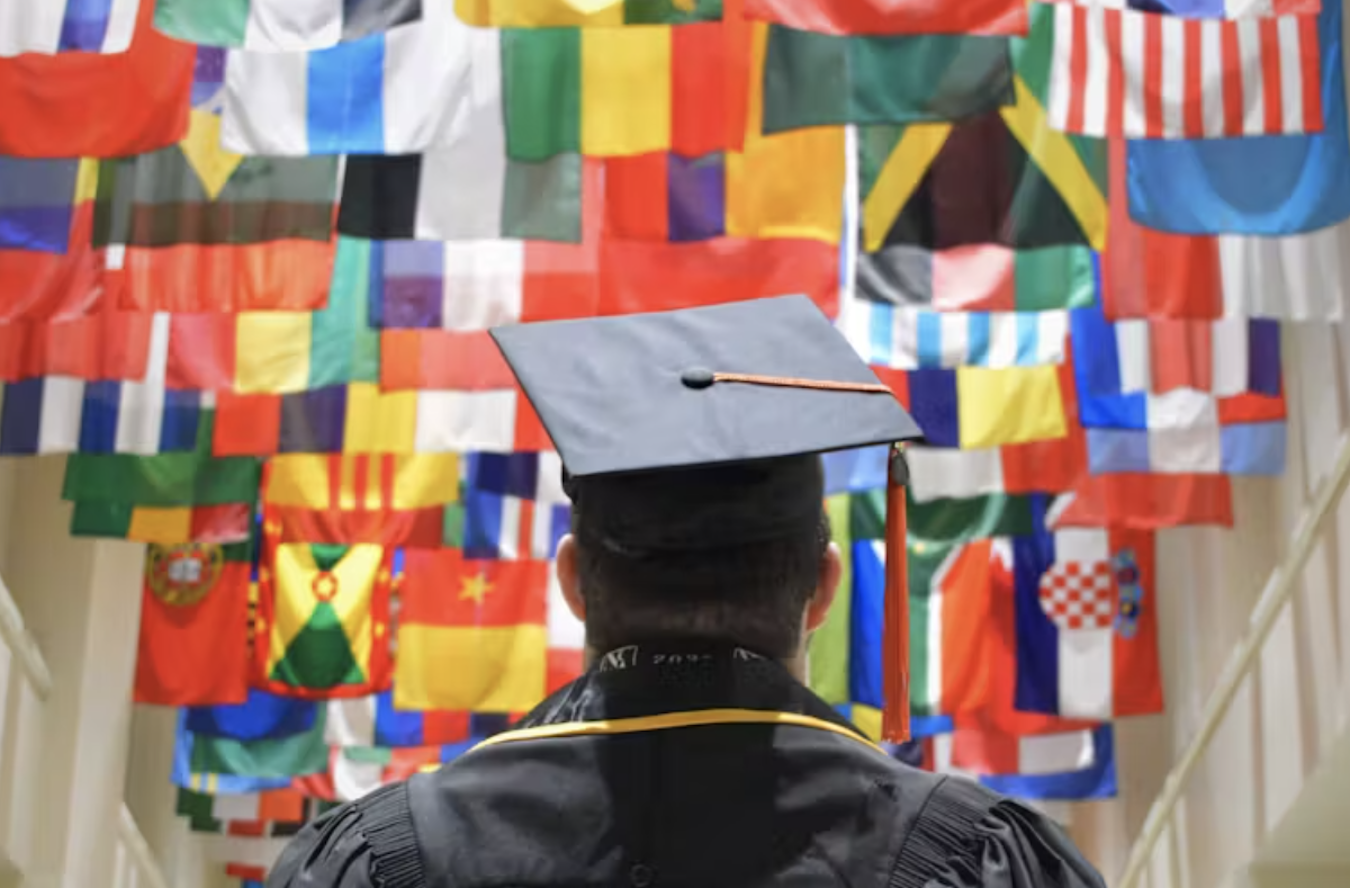
American college campuses, from Tucson to Tallahassee, are witnessing a significant shift in their student demographics. While the fall semester typically sees students settling into classes and dorms, a concerning trend is emerging: a sharp decline in international student enrollment. According to NAFSA: Association of International Educators and JB International, an estimated 30% to 40% fewer international students are expected on US campuses in the fall of 2025 compared to the 2024-2025 academic year. This translates to approximately 150,000 fewer students, primarily due to stringent visa restrictions and canceled visa appointments at US embassies and consulates in countries like India, China, Nigeria, and Japan. The Institute for International Education reports that over 1.1 million international students, more than half from China and India, were enrolled in US institutions during the 2023-2024 academic year. The projected decline could cost the US economy $7 billion in the 2025-26 school year, as international students contribute significantly to local economies through housing, food, transportation, and other expenses. For every three international students, one American job is created or supported. Historically, international student enrollment in the US has grown steadily since the early 20th century, driven by philanthropic efforts and government-funded programs like the Fulbright Scholarship. However, recent policy changes under the Trump administration, including visa revocations and travel bans, have created an unwelcoming environment for foreign students. High-profile arrests of international students, such as Rumeysa Ozturk of Tufts University, have further deterred prospective applicants. The administration’s plans to cap the duration of student visas to four years and restrict entry from 19 countries have exacerbated the situation. Universities like New York University, Northeastern University, and Columbia University, which host the largest numbers of international students, are expected to face significant financial repercussions. This decline not only threatens the diversity and global engagement of US higher education but also undermines the economic benefits these students bring to local communities.